Opinion
Will Komani Voters Hold Leaders Accountable for Water and Power Failures?


Komani’s Water and Power Crisis: Will Voters Shift in 2026?
Communities across Komani, the wider Enoch Mgijima Local Municipality, and parts of the broader Chris Hani District Municipality continue to face persistent water disruptions and electricity instability.
For many residents, these are no longer isolated incidents. They are recurring challenges that shape daily life.
As South Africa moves into another municipal election year, a central question emerges:
Will ongoing service delivery struggles influence how people vote?
Water: A Recurring Emergency
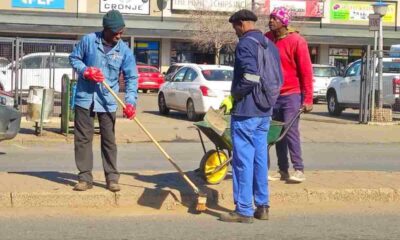
Water supply interruptions remain one of the most serious and sensitive issues affecting the region.
In some areas, residents experience dry taps for extended periods. In others, burst pipes, infrastructure faults or supply constraints lead to repeated interruptions. Water tankers are sometimes deployed, but they are not a permanent solution.
Access to clean water is fundamental. It impacts public health, sanitation, schools, clinics, businesses and household dignity. When supply becomes unreliable, communities feel vulnerable.
Across parts of the Chris Hani District, water challenges have been raised repeatedly in public forums, community meetings and political debates. The issue extends beyond one suburb or ward — it is regional in scope.
Electricity: Strain on Infrastructure
Electricity instability compounds the pressure.
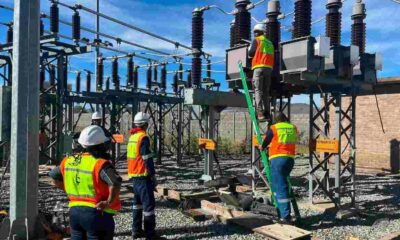
Faults, cable failures and substation issues have led to outages in various parts of Komani and surrounding towns. Businesses rely on costly backup systems. Households face disruption to security, cooking, refrigeration and communication.
Reliable power is essential to economic activity and community safety. Without it, growth slows and frustration deepens.
Infrastructure maintenance and investment require technical capacity and sound financial management. Where these are weak, breakdowns become more frequent and recovery slower.
Election Year Accountability
The African National Congress governs both locally and within much of the district and province. As election campaigning begins to intensify, questions about governance, oversight and delivery will likely dominate discussions.
Municipal elections are designed to give communities the opportunity to evaluate performance.
But political loyalty, historical alignment and national narratives often influence outcomes alongside local service delivery concerns.
Still, residents are increasingly asking:
How can water and electricity challenges persist year after year without shifting voter behaviour?
Will Frustration Translate Into Change?
Political analysts often note that dissatisfaction does not automatically result in electoral shifts. Voter turnout, trust in alternatives, and perceptions of credibility all play a role.
In some communities, voters may feel change is necessary. In others, they may doubt whether alternatives would deliver better outcomes. Some may prioritise broader political considerations beyond municipal performance.
Yet daily lived experience is powerful.
When taps run dry.
When power cuts extend beyond expectation.
When businesses suffer losses.
These realities shape perception.
A Region at a Crossroads
Komani and the broader Chris Hani region cannot thrive without stable basic services. Economic recovery, investor confidence and public health depend on reliable water and electricity.
Improvement is possible. Across South Africa, some municipalities have demonstrated recovery through:
- Strengthened financial controls
- Professionalised technical departments
- Infrastructure planning and preventative maintenance
- Transparent governance and oversight
But change requires political will and administrative capacity.
As election year approaches, the decision ultimately rests with voters.
Will service delivery challenges reshape perspectives?
Will long-standing voting patterns remain intact?
Or will frustration lead to different outcomes across Enoch Mgijima and the wider district?
Municipal elections offer the mechanism for accountability.
Whether that mechanism will produce change in Komani and beyond is a question only the electorate can answer.