Opinion
Is the ANC Damaging Its Own Chances Ahead of Local Elections?

If there was ever a time for local government to show residents that it is in control, this should be it.
Instead, across Komani and much of the wider Chris Hani District, many people are living with the opposite.
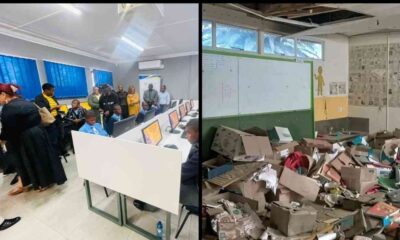
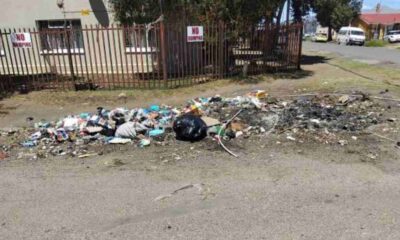
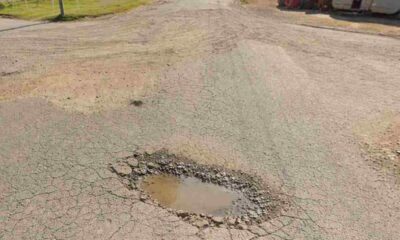
In Komani, residents are dealing with power outages, water shortages, potholes and litter that has become part of the daily view in too many areas. Some government buildings also appear neglected, adding to the sense that parts of the town are being allowed to slowly run down.
And Komani is not alone.
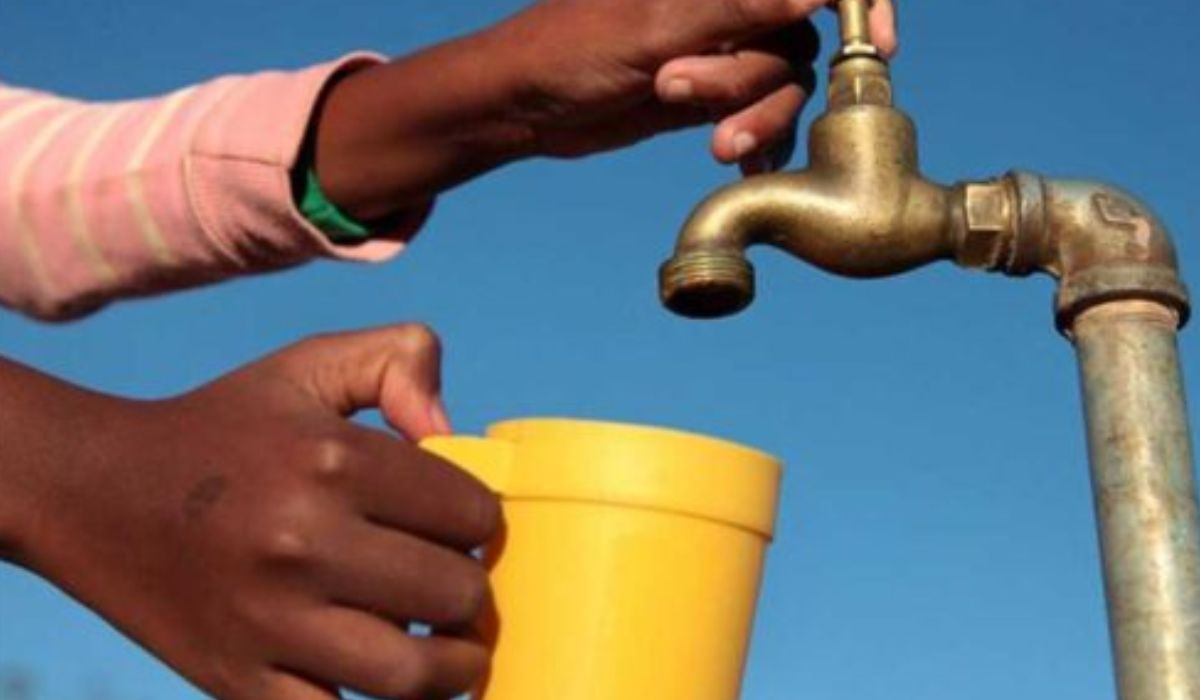
Across much of the Chris Hani District Municipality area, water problems have become a recurring complaint. Cradock has faced serious water disruptions. Tydlen has also struggled.
Other surrounding towns, villages and communities in between have had their own ongoing frustrations over unreliable supply and service delivery failures.
When these problems stretch across multiple areas, it becomes harder to dismiss them as isolated incidents or bad luck. It starts to look like a wider collapse in the basics of governance.
That is what makes this such a serious political issue in an election year.
The ANC does not need opposition parties to damage its image when residents are already living with daily reminders of municipal failure. Voters do not judge government by speeches, slogans or posters. They judge it by whether they have water, whether the lights stay on, whether roads are drivable, and whether the town feels cared for or abandoned.
Right now, for many people, the message being sent is not one of competence or renewal. It is one of decline.
That is why some residents may well ask whether the ANC is sabotaging its own chances ahead of this year’s local government elections. Not deliberately perhaps, but politically, the effect can be the same. When communities are angry over failing services, frustration turns into votes lost.
Still, “sabotage” may not be the most accurate word. What we may really be seeing is the result of years of weak maintenance, poor planning, ageing infrastructure and a lack of urgency in fixing problems before they become crises. If that is the case, then this is not just an election-season embarrassment. It is a much deeper problem.
Because once infrastructure starts failing across multiple towns and rural areas at the same time, quick fixes become harder. Water systems, electricity networks, roads and public spaces all require constant maintenance and competent management. If that has not happened for years, then municipalities end up constantly reacting instead of preventing problems in the first place.
Even a change in government would not automatically bring fast relief
That may also explain why even a change in government would not automatically bring fast relief.
If a new administration comes in after the elections, it will inherit the same broken systems, the same old pipes, the same damaged roads, the same unreliable infrastructure and the same financial and operational pressures. It may promise change, but it will still be walking into a mess that took years to build.
That is the uncomfortable truth for voters. Removing a party from office is one thing. Rebuilding functioning local government is another.
Even so, the ANC cannot escape accountability for the condition of the municipalities it governs. If people are living with repeated outages, poor roads, worsening urban conditions and long-running water struggles across large parts of the district, then voters are fully justified in asking what exactly has gone wrong and why the basics have not been protected.
In the end, this election may be shaped less by manifestos and more by lived reality.
And lived reality, in Komani and across much of Chris Hani District, is becoming harder for the governing party to defend.