Opinion
Electioneering Is Not Service Delivery — Voters Deserve More


As South Africans, we have become used to a familiar pattern. When elections approach, political parties suddenly appear in our communities. There are T-shirts, food parcels, shoes, small gifts and loud promises. Streets that have been ignored for years suddenly see leaders walking door to door, smiling for photographs and pledging change.
But true leadership is not seasonal.
Electioneering should never be reduced to handouts. Yes, in some cases communities are in desperate need, and assistance is understandable. Poverty is real. Hunger is real. Struggle is real. But gifts — whether shoes, shirts or food parcels — should never be the deciding factor in how people vote.
Service delivery should be the deciding factor.
Political parties are elected to govern, not to campaign every five years. The real work begins on day one after elections — not three months before the next one. Governance is about consistent, visible effort over years. It is about being present even when cameras are gone.
Take the example of the African National Congress (ANC). Like all parties, it campaigns and distributes branded items during election periods. But the question voters must ask is this: Has life improved consistently over the term of office? Have basic services improved? Have promises materialised?
Because shirts and shoes do not fix broken infrastructure.
We vote for running water that is safe to drink.
We vote for electricity that does not constantly fail.
We vote for roads without potholes that damage our cars.
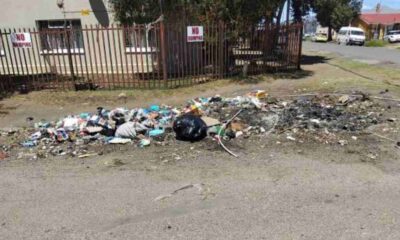
We vote for refuse removal that works.
We vote for dignity.
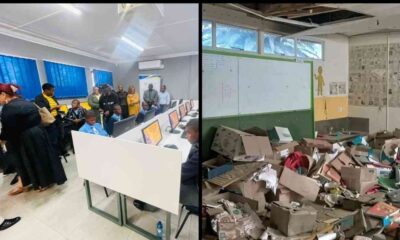
When communities go without safe running water, that alone should be a political turning point. When electricity cuts become routine and small businesses cannot operate properly, that is not a minor inconvenience — it is economic sabotage at local level. When roads are riddled with potholes, transport costs rise, vehicles break down, and daily life becomes more expensive.
These are not luxuries. These are basics.
Yet election seasons often shift focus away from performance and towards short-term gestures. Keeping the electorate “happy” near voting time is weak politics. It suggests that performance during the full term was not strong enough to stand on its own.
True electioneering should be based on a record. What has been done over the past four or five years? What measurable improvements exist? What systems have been strengthened? What corruption has been rooted out? What jobs have been created?
Because poverty is another harsh reality that cannot be ignored.
Many citizens live below the poverty line. They struggle to pay for electricity, water and rising food costs. It is easy to say people must “just pay for services,” but what happens when there is no income? Food prices alone consume most household budgets. For those without jobs, even basic municipal bills become impossible.
Political parties must confront this honestly. Job creation should not be a slogan — it must be a measurable outcome. Economic development should not exist only in speeches — it must be visible in communities. And where people genuinely cannot afford basic services, government must explore sustainable ways to cushion the poorest households.
Yes, free services are controversial among the working class who carry the tax burden. But without economic inclusion and job growth, the gap between those who can pay and those who cannot will continue to widen.
So why does society keep voting for parties that underperform?
Part of the answer lies in loyalty. Part lies in history. Part lies in fear of change. And part lies in short-term incentives during election season. But at some point, voters must ask whether their daily lived experience matches the promises made.
Governments cannot fix everything overnight. No administration can solve every structural problem immediately. But consistent effort, transparency, and visible improvement are reasonable expectations.
Can society come right?
With a working, accountable government — yes, to an extent. Government cannot create prosperity alone, but it can create the conditions for it. It can deliver reliable infrastructure. It can protect public funds. It can prioritise the vulnerable. It can enable businesses to grow.
But it cannot do so if politics is reduced to handouts and slogans.
Voters deserve performance, not presents.
And political parties — all of them — need to remember that service delivery is the real campaign that runs every single day.