Local News
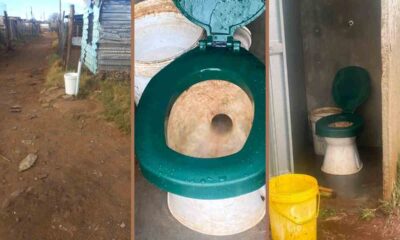
27,300 Households Still Without Hygienic Toilets in Chris Hani


More than 27,000 households across the Chris Hani District Municipality were still without hygienic sanitation facilities in 2022, according to the district’s 2024/2025 Final Draft Consolidated Audited Annual Performance Report.
The report, which forms part of the municipality’s official annual reporting framework, includes socio-economic data sourced from Statistics South Africa. It shows that 27,300 households in the district did not have access to hygienic toilets in 2022.
Sanitation Backlog Over Time
According to the report, the sanitation backlog has declined over the past decade. In 2012, approximately 83,100 households were recorded as being without hygienic toilets. This number decreased steadily to 27,300 by 2022.
While the downward trend reflects progress, the remaining backlog remains significant, particularly in a district where more than 70% of residents live below the upper poverty line and where large portions of the population reside in rural areas.
The sanitation backlog data is presented under the section titled:
“Sanitation backlog – Chris Hani District Municipality, 2012–2022.”
Breakdown Across Local Municipalities
The report also provides a breakdown of sanitation types across local municipalities within the district.
Across Chris Hani District in 2022:
-
92,525 households had flush toilets
-
122,264 households had Ventilated Improved Pit (VIP) toilets
-
10,827 households had no toilet at all
Enoch Mgijima Local Municipality recorded the highest number of flush toilets in the district, while Intsika Yethu recorded the lowest number of flush toilet households.
These figures highlight both progress and persistent inequality in access to sanitation services across different local areas.
Rural Infrastructure Pressures
The district profile indicates that a majority of residents live in predominantly rural areas. Rural settlements often face infrastructure challenges such as difficult terrain, limited road access, and higher service delivery costs.
In other sections of the report, sanitation-related infrastructure targets in certain areas were marked as “not achieved”, with reasons including material delivery delays, terrain challenges and contractor performance issues.
Water and Sanitation Linked
The sanitation data appears alongside water access statistics in the report.
In 2022:
-
58,400 households had piped water inside their dwelling
-
78,600 households had piped water inside their yard
-
18,900 households had no formal piped water
The combined water and sanitation data provides a broader picture of infrastructure backlogs within the district.
Context for Planning and Budgeting
The sanitation backlog figures are based on 2022 Statistics South Africa data included in the municipality’s 2024/2025 Annual Performance Report. These figures form part of the district’s official socio-economic baseline used for planning and budgeting purposes.
While progress has been made over the past decade, the report confirms that thousands of households in the district remain without hygienic sanitation facilities.
The findings highlight ongoing infrastructure challenges facing the district as it works toward reducing service delivery backlogs.