South Africa
Ramaphosa’s xenophobia apology puts SADC migration action in focus


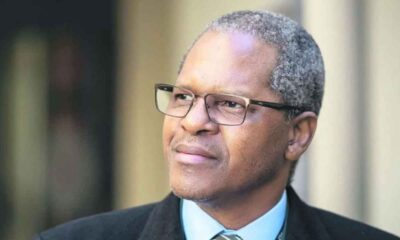
Political analyst Sipho Seepe says South Africa’s President must pair his condemnation of xenophobia with frank regional discussions on governance, poverty and the pressures driving irregular migration.
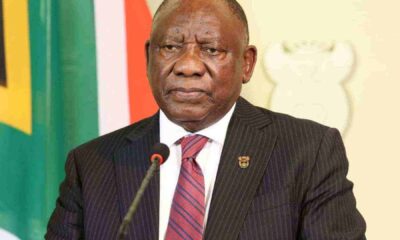
President Cyril Ramaphosa’s apology over the treatment of foreign nationals in South Africa has renewed calls for Southern African leaders to move beyond statements of solidarity and confront the regional conditions driving migration.
Political analyst Sipho Seepe says the President was right to acknowledge the harm caused by xenophobia and the ill-treatment of foreign nationals. However, he believes Ramaphosa should also use his position as SADC chair to encourage frank discussions with neighbouring governments about governance failures, economic hardship and instability.
Speaking after the recent SADC Summit in Durban, Seepe said friendship between regional leaders should not prevent them from addressing difficult issues.
“When you are faced with a regional crisis, you need to be honest with your comrades,” he said.
“You need to be able to say, yes, the manner in which South Africans may have acted may have embarrassed the continental solidarity, but at the same time, go to the cause and effect. The solution starts with being honest about the causes.”
Ramaphosa expressed concern and regret over attacks and discrimination against foreign nationals during SADC-related engagements in Durban, at a time when migration tensions and anti-immigrant protests have placed South Africa’s relationship with neighbouring countries under renewed pressure.
The President has also called for regional cooperation to address the root causes of desperate migration, including conflict, political instability, governance failures, poverty and unequal economic opportunities.
That leaves a pressing question after the apology: whether SADC will turn those commitments into practical action.
Seepe said South Africa cannot discuss unemployment, crime, pressure on public services and economic stagnation without recognising that the challenges are linked to the wider region.
But he cautioned against treating neighbouring countries and their citizens as enemies.
“Those countries must also understand they are our friends; they are not our enemies. And most of those countries have been active in building our own economy,” Seepe said.
“The mining sector relied on the neighbouring countries. So, we should not wish that away.”
South Africa’s government has meanwhile maintained that immigration enforcement, border management, deportation and repatriation are the responsibility of the State — and that members of the public have no authority to conduct searches, identity checks or intimidate people suspected of being undocumented.
Government’s migration plan includes stronger enforcement of immigration laws, border security, reform of the immigration system, closing legal gaps and closer cooperation with African counterparts.
Home Affairs has reported a sharp increase in deportations, saying more than 109,000 people were deported over the two financial years ending in March 2026. But Seepe’s comments point to the limits of enforcement alone.
His argument is that regional leaders must also confront why people leave their home countries in the first place — and create conditions where migration is lawful, orderly and not driven by desperation.
“You cannot not tell your friends when they are wrong,” Seepe said.
For Ramaphosa, the challenge is now to show that South Africa can protect communities and enforce its laws without allowing frustration over migration to become discrimination, violence or vigilantism.