Local News
New Water Meters Across Chris Hani — What They Mean

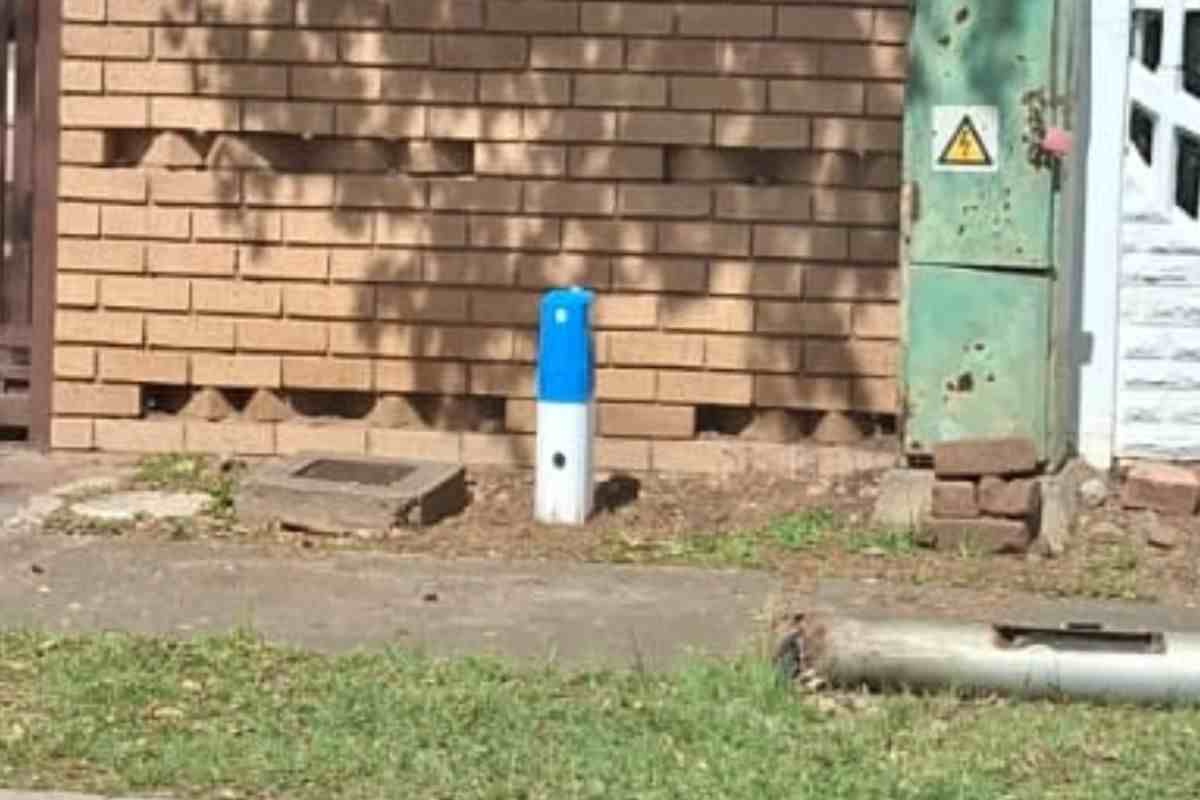
Many residents across parts of the Chris Hani District have already noticed the ongoing installation of blue-and-white water meter boxes outside homes.
While the rollout is not new, questions remain about what these meters do, why they are being introduced, and how they will affect households.
The Chris Hani District Municipality has now provided clarity on the project.
What are these new meters?
According to municipal spokesperson Dr Sandiso Tyembile, the units being installed are Inzalo Ultrasonic Smart Water Meters.
Unlike older mechanical meters, which rely on moving parts, these devices use ultrasonic technology to measure water flow.
They also transmit usage data directly to the municipality in real time through a built-in telemetry system.
Why is the municipality installing them?
The municipality says the main goal is to improve billing accuracy.
Traditional meters can become faulty over time, resulting in incorrect readings or estimated billing. This has been a source of frustration for many residents.
“These smart meters provide a permanent fix to those historic billing disputes,” Tyembile said.
With real-time data, billing is expected to reflect actual water usage, while also helping households detect leaks earlier.
What does the project cost?
The rollout is being implemented in phases using municipal funding.
According to Tyembile, each smart meter costs approximately R6,000, with the municipality introducing them gradually to manage costs.
The total cost of the full rollout was not disclosed.
Who is responsible for installation?
The municipality confirmed that a service provider has been appointed through a National Treasury transversal contract system, but did not name the contractor in its response.
Where are the meters being installed?
The current phase targets 2,000 households across selected towns:
- Komani – 1,000 meters
- Cradock – 500 meters
- Middelburg – 300 meters
- Dordrecht – 200 meters
The rollout is focused on:
- Properties with faulty meters
- High water-consuming households
Installation of this phase is expected to be completed by the end of April 2026.
Will this include rural and informal areas?
At this stage, the project is limited to formal residential areas.
Tyembile said future phases will assess whether the technology can be extended to rural and informal settlements, depending on infrastructure readiness.
Lifespan and maintenance
The municipality says the meters are designed to last between 10 and 15 years, which is longer than traditional units.
They are also equipped with tamper-detection systems.
What happens if the meter is damaged?
If a unit is tampered with or damaged, the system alerts the municipality immediately.
“Vandalism is a criminal offence, and repairs or replacements due to tampering will be charged to the account holder,” Tyembile said.
Will billing change?
The municipality says water tariffs remain unchanged.
However, residents may notice differences in their bills, as charges will now be based strictly on measured consumption rather than estimates.
Community engagement
Tyembile said community consultations have been ongoing since 2023 through ward councillors, public meetings, and notices.
Installation teams are also engaging with residents during the process.
Part of a broader strategy
The smart meters form part of the municipality’s Water Demand Management Strategy, aimed at:
- Reducing water losses
- Improving revenue collection
- Modernising aging infrastructure
What this means for residents
While the installation of the meters has become a familiar sight in many areas, the municipality says the intention is to bring more accurate billing and better management of water usage.
For residents, the key change will be a move away from estimated billing to charges based on actual consumption.