Eastern Cape
Urgent Measures Needed to Stop Foot-and-Mouth Disease in Eastern Cape

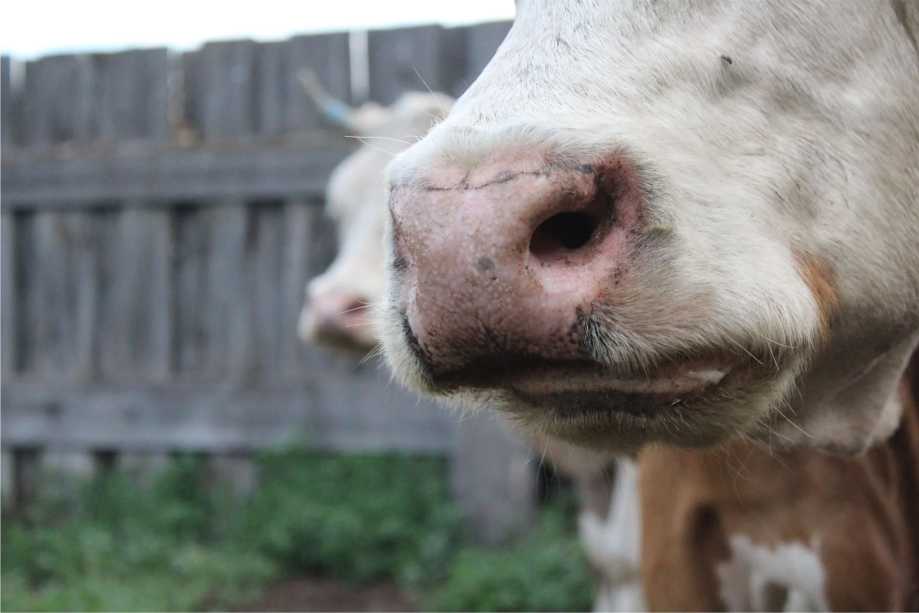
Foot-and-Mouth Disease Threat in Eastern Cape Sparks Call for Urgent Action
Foot-and-mouth disease poses a serious and immediate threat to livestock, food security, and rural livelihoods across the Eastern Cape, prompting calls for urgent coordination and stronger ground-level readiness from provincial authorities.
The Democratic Alliance’s Eastern Cape Shadow MEC for Agriculture, Heinrich Müller MPL, has formally written to the provincial MEC for Agriculture, Nonceba Kontsiwe, raising concerns about the current response to the outbreak and calling for clearer coordination between provincial and national structures.
The disease, which is highly contagious among cloven-hoofed animals, has the potential to cause significant long-term damage if not contained effectively. Farmers across the province, particularly small-scale and subsistence producers, are already reporting mounting pressures as animals fall ill, productivity declines, and household incomes come under strain.
Concerns Raised Over Provincial Readiness
In his correspondence to the MEC, Müller requested clarity on how disease reporting systems, hotspot identification, and coordination with national response mechanisms are currently being implemented in the Eastern Cape.
He further called for urgent steps to strengthen disease surveillance, improve communication with farmers, and ensure proper alignment with the national foot-and-mouth disease strategy. According to Müller, weaknesses in reporting systems, inconsistent movement controls, and poor coordination risk worsening the outbreak and undermining confidence in the state’s ability to manage the crisis.
For many rural households, livestock is not only an economic asset but also a cornerstone of food security. As the outbreak spreads, the human impact is becoming increasingly visible. Farmers have reported severe stress as productive animals fall ill, milk yields collapse, operating costs rise, and farm workers’ livelihoods are placed at risk.
Small-Scale and Subsistence Farmers at Risk
Uncontrolled outbreaks and gaps in animal movement control place small-scale and subsistence farmers at disproportionate risk. In many parts of the Eastern Cape, informal livestock farming dominates, making enforcement of movement restrictions complex and challenging.
Müller warned that movement controls will only be effective if they are realistic, clearly communicated, and supported by practical veterinary guidance that reflects local conditions. Without this, restrictions may fail to prevent the spread of the disease and could deepen hardship in already vulnerable communities.
He stressed that biosecurity measures must be implemented alongside education, practical support, and enforcement approaches that acknowledge the realities faced by farmers on the ground.
National Coordination Welcomed, But Ground Action Needed
The Democratic Alliance in the Eastern Cape has welcomed the establishment of a Joint Operations Committee by the National Minister of Agriculture and DA Leader, John Steenhuisen, to guide the national response to foot-and-mouth disease.
This structure is intended to improve coordination between national government, provincial departments, and the agricultural industry. However, Müller emphasised that national coordination must be matched by effective implementation at provincial and local levels.
In the Eastern Cape, this requires urgent cooperation between the provincial Department of Agriculture and national structures to ensure a unified and effective response.
Importance of Hotspot Identification and Reporting
Central to controlling the outbreak is the identification and continuous monitoring of disease hotspots. Müller highlighted the need for clear and trusted reporting lines that allow farmers and communities to report suspected cases easily.
Rapid verification and decisive action are essential to ensure that accurate data is available ahead of the vaccination phase. Without reliable information on outbreak locations, livestock movement patterns, and high-risk areas, even well-planned vaccination programmes may struggle to deliver results.
Preparation before vaccines arrive is therefore critical. Authorities must ensure that systems are in place to support efficient inoculation once doses become available, minimising delays and preventing further spread.
Engagement With Farming Communities
Müller has indicated that he will continue engaging with farmers’ organisations and constituency leadership across the province to document practical challenges experienced on the ground. These insights, he said, must be reflected in the provincial response to ensure policies are responsive and effective.
Farmers and rural communities require reassurance that disease reports are taken seriously, that response systems are functioning, and that government is preparing adequately for the vaccination phase.
Call for Accountability and Forward Planning
The Democratic Alliance has reiterated its commitment to constructive oversight and practical solutions that support farmers, protect food security, and strengthen the Eastern Cape’s ability to respond to animal disease outbreaks.
According to Müller, strong coordination now will limit further spread of foot-and-mouth disease, protect livelihoods, and reduce the long-term impact on the province’s agricultural sector.
As the outbreak continues to threaten livestock and rural economies, calls are growing for decisive leadership, improved coordination, and proactive planning to ensure that the Eastern Cape is ready to respond effectively and responsibly.