Eastern Cape
SACP EC Responds to Mabuyane SOPA: “Implementation Is the Test”

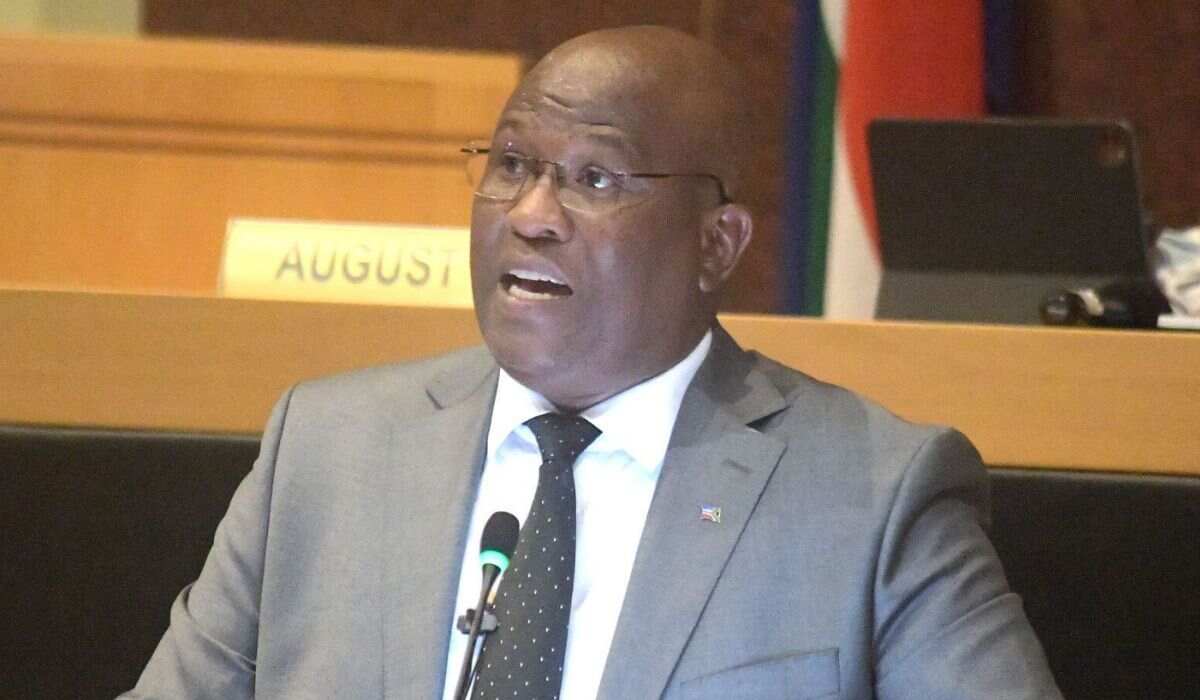
Statement follows SOPA delivered on 26 February
The South African Communist Party (SACP) in the Eastern Cape has issued a formal response to Premier Oscar Mabuyane’s 2026 State of the Province Address (SOPA), delivered on 26 February 2026.
In a press statement dated 27 February 2026, the SACP Eastern Cape Provincial Executive Committee (PEC) said it noted the Premier’s address and welcomed it as a “generally balanced and grounded account” that reflects progress on previous commitments while setting out new programmes with clearer timelines, budget allocations and anticipated employment opportunities.
However, the party stressed that the real measure of the SOPA will not be the speech itself, but whether it results in meaningful improvements in the material conditions of people in the Eastern Cape. The SACP said delivery will depend on the capacity of provincial departments and, especially, municipalities to implement programmes effectively and in the interests of working-class communities and the poor. It described implementation as the “central terrain” on which the address should be judged.
Austerity and state capacity
A major focus of the SACP’s response is its opposition to “austerity-driven fiscal consolidation” and what it described as neoliberal macroeconomic policies. The party said these approaches undermine the developmental and transformative capacity of the state, deepening unemployment, weakening public services and entrenching poverty and inequality.
The SACP argued that years of budget cuts and hiring restrictions have hollowed out state capacity, leaving an overburdened public workforce, deteriorating service delivery, and declining morale among public servants. It highlighted frontline pressures in the health sector as an example of how weak capacity affects communities.
Within that context, the party welcomed the announcement of the recruitment of 500 medical doctors and nurses, describing it as a positive intervention. It also welcomed the planned recruitment of social workers in the coming financial year, saying it could help restore critical social services that have been weakened.
Agriculture, irrigation and cooperatives
The SACP also welcomed what it described as renewed emphasis on agriculture, including the reactivation of irrigation schemes across the province. It said agriculture remains key to sustainable livelihoods, especially in rural areas where unemployment and poverty are severe, and that improved irrigation infrastructure could expand production and strengthen food security.
The party said these programmes must prioritise small-scale producers, communal farmers and rural cooperatives. It also expressed support for the provincial government’s commitment to strengthening cooperatives through training, equipment provision and seed funding, describing cooperatives as an important tool for building a solidarity economy.
Public health and National Health Insurance
On healthcare, the SACP said it recognises progress in strengthening public health infrastructure and improving access to specialised services. In its statement, it pointed to developments including specialised units at Nelson Mandela Academic Hospital and renal dialysis services at St Elizabeth Hospital, as well as planned expansion of dialysis services in other districts.
The party connected these developments to the broader goal of universal healthcare and the implementation of National Health Insurance (NHI). It said it views delays in NHI implementation as regrettable and politically unjustifiable, and rejected efforts by what it called “right-wing and reactionary forces” to obstruct NHI through legal and political means. The SACP argued that the principles underlying NHI remain correct and necessary.
Skills development and vocational access
The SACP welcomed the recognition of prior learning for workers who have developed practical skills through informal economic activity, including artisans operating workshops without formal certification. It said this approach could unlock economic opportunities for many young people and skilled workers who have historically been excluded from the formal economy.
The party also welcomed the planned construction of a TVET college in Ntabankulu, describing expanded vocational training as essential to addressing structural unemployment and building productive capacity, particularly among rural youth.
Municipal performance, underspending and corruption
The SACP’s statement emphasised that the success of provincial programmes depends on the effective functioning of municipalities and provincial departments. It said the developmental state cannot succeed where local government is weak, unstable or dysfunctional.
It criticised ongoing failures by some departments and municipalities to spend allocated budgets while communities remain without basic services, and described the return of unspent funds to the fiscus as a serious governance and capacity failure. The SACP called for strengthened planning systems, improved project management capacity and decisive intervention in dysfunctional municipalities. It also reiterated that corruption is a major threat to development and said resources intended for the poor must never be diverted for private enrichment.
International solidarity and political criticism included
In the international section of the statement, the SACP welcomed the Premier’s reaffirmation of solidarity and cooperation with Cuba, particularly in healthcare and skills development.
The statement also included strong political criticism of King Buyelekhaya Dalindyebo, which the SACP said threatens sovereignty and constitutional authority, and urged progressive forces to defend the country’s anti-imperialist traditions. It further criticised attempts to promote association with Israel, framing the matter in ideological and historical terms.
Why this response matters
While the SOPA itself took place last week, the SACP’s response is part of the ongoing political and policy debate around what the province commits to — and, crucially, what is actually delivered through departments and municipalities. The party’s statement places the spotlight on implementation, budget use, public capacity and governance as the key tests of the commitments announced.