Politics
Inside the SAPS Fallout: CFO Challenges Mchunu’s Political Killings Decision

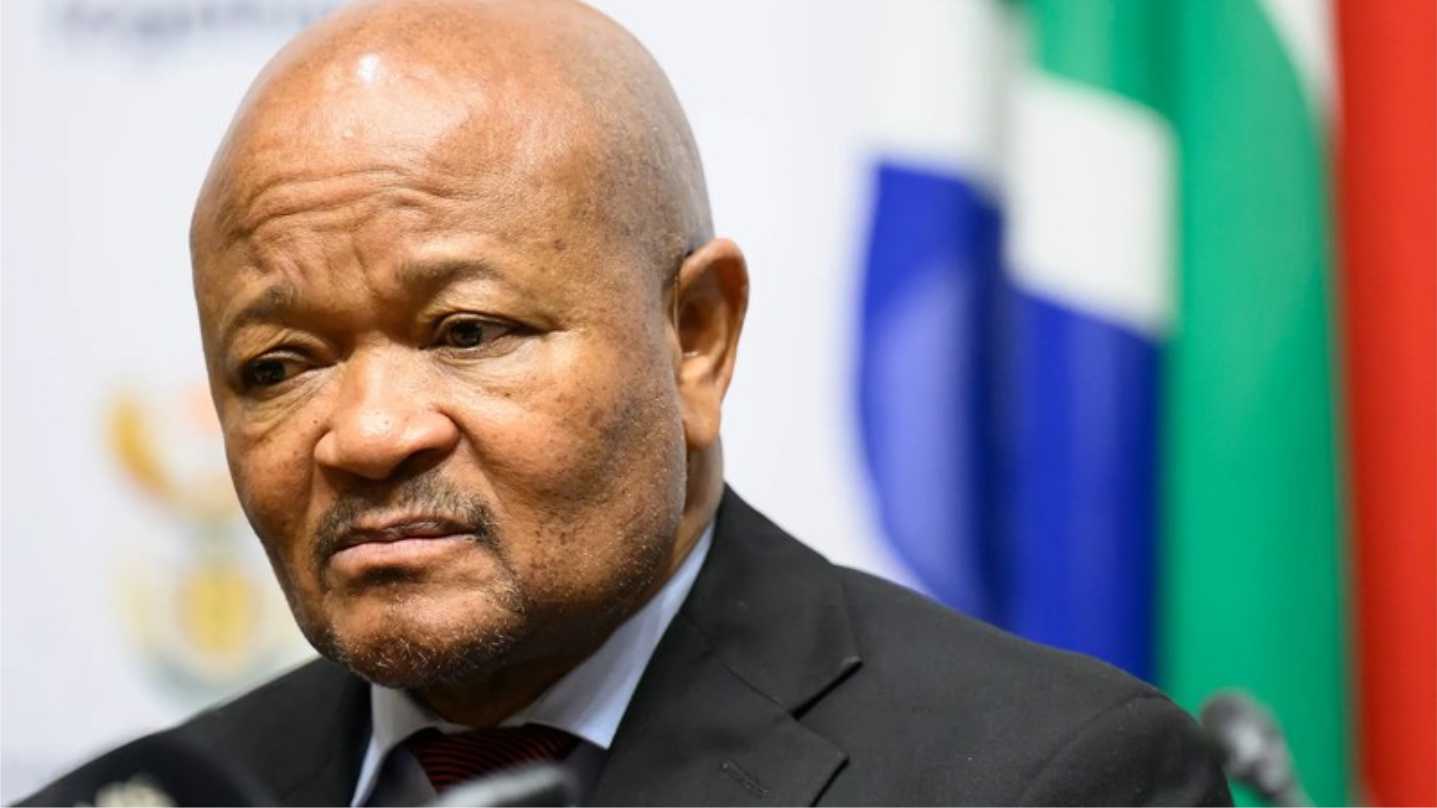
Suspended police minister Senzo Mchunu did not brief or consult the South African Police Service (SAPS) chief financial officer, Puleng Dimpane, before he moved to dissolve the specialised political killings task team — despite publicly citing budget constraints as one of his motivations. This was revealed in Parliament on Tuesday, where Dimpane addressed the ad hoc committee probing serious allegations of political interference, corruption and mismanagement in the police service.
Dimpane told MPs she was “shocked” to learn that the internal information note she authored on restructuring SAPS had been used as justification for the unit’s disbandment, arguing that the document was taken completely out of context.
CFO Says Her Note Was Misused
Dimpane reports directly to national police commissioner Fannie Masemola and oversees SAPS’s entire budget. She explained to the committee that the internal note was drafted to propose a permanent structure for the task team, not its disbandment.
She stressed that she had never submitted the document to Mchunu or to deputy national commissioner Shadrack Sibiya, who previously echoed the minister’s claims about excessive spending by the team.
She told MPs the note “was utilised as evidence… to portray a picture that I was advocating for the disbandment of the political task team,” adding that it was “taken out of context”.
According to Dimpane, her view was that the team — formed to address entrenched political violence in KwaZulu-Natal — required a permanent structure rather than repeated short-term approvals. She argued that the persistent nature of political killings in the province demonstrated that the problem was not short-lived.
No Budget Request Ever Came From Mchunu
Committee members questioned whether the suspended minister had ever sought a financial analysis regarding the task team before acting. Dimpane’s response was unequivocal: he did not.
She said that as CFO she had never been asked to brief Mchunu about the team’s operations or its budget needs. Her engagements with him were limited to routine orientation meetings and five standard budget reports submitted through Masemola — none of which included discussions about the task team.
A Budgeting Problem Years in the Making
Dimpane elaborated on the difficulty of funding a task team that required renewed budget applications “every three months for five years”. This, she argued, made long-term planning almost impossible.
She told MPs she had recommended a full work study to determine whether the task team should be converted into a permanent SAPS structure. She said she had flagged the matter with Masemola, recommending that the organisational development unit undertake the work.
Masemola, according to her testimony, agreed that the team’s scope had expanded and that a permanent solution was necessary — possibly a national one, given that political killings were not confined to KwaZulu-Natal.
Competing Narratives Inside SAPS
Mchunu previously told the ad hoc committee that the political killings task team consumed resources that could be better used elsewhere, such as the murder and robbery unit. He also argued that the team had originally been created for a short-term intervention.
Sibiya reinforced this line of reasoning, suggesting that political killings had stabilised and that the team had accomplished its initial mandate.
Dimpane’s testimony, however, characterised the budget issues as structural and administrative, not an indication that the team had outlived its usefulness. She argued that the persistence of political killings — five years after the team’s formation — was evidence of the need for a permanent unit.
How Dimpane Learned of the Disbandment
Perhaps the most striking revelation of the hearing was that Dimpane only discovered the task team’s disbandment through media reports.
She said she went on leave on 17 December 2024. Two weeks later, Mchunu issued a letter stating that the team was no longer adding value to policing. She testified that she was neither consulted nor informed officially before that decision became public.
Only later did she learn that her internal note had been cited as evidence supporting the minister’s decision. This, she told MPs, left her “shocked”.
A Task Team Meant for Short-Term Work Now Seen as Permanent
Dimpane reiterated the view she had also raised with Masemola: that the task team had effectively become permanent due to the ongoing nature of political killings in KwaZulu-Natal.
She said she had repeatedly encouraged SAPS’s organisational development unit to create a permanent structure that could be properly budgeted for and sustainably staffed.
Her testimony points to deep internal disagreement within SAPS leadership about the role, purpose and future of the political killings task team — and about who was responsible for decisions affecting it.
Committee Continues Probing Allegations
The ad hoc committee is still investigating allegations raised by KwaZulu-Natal police commissioner Nhlanhla Mkhwanazi, who accused senior government officials and police leaders of political interference.
Dimpane’s testimony adds another contested layer to the inquiry, casting doubt on whether the minister acted on accurate financial information or consulted the correct decision-makers before disbanding the specialised unit.
More testimonies are expected in the coming weeks as the committee continues its work.

