South Africa
DA Raises Alarm Over ‘Electricity Price Crisis’ as Tariffs Surge

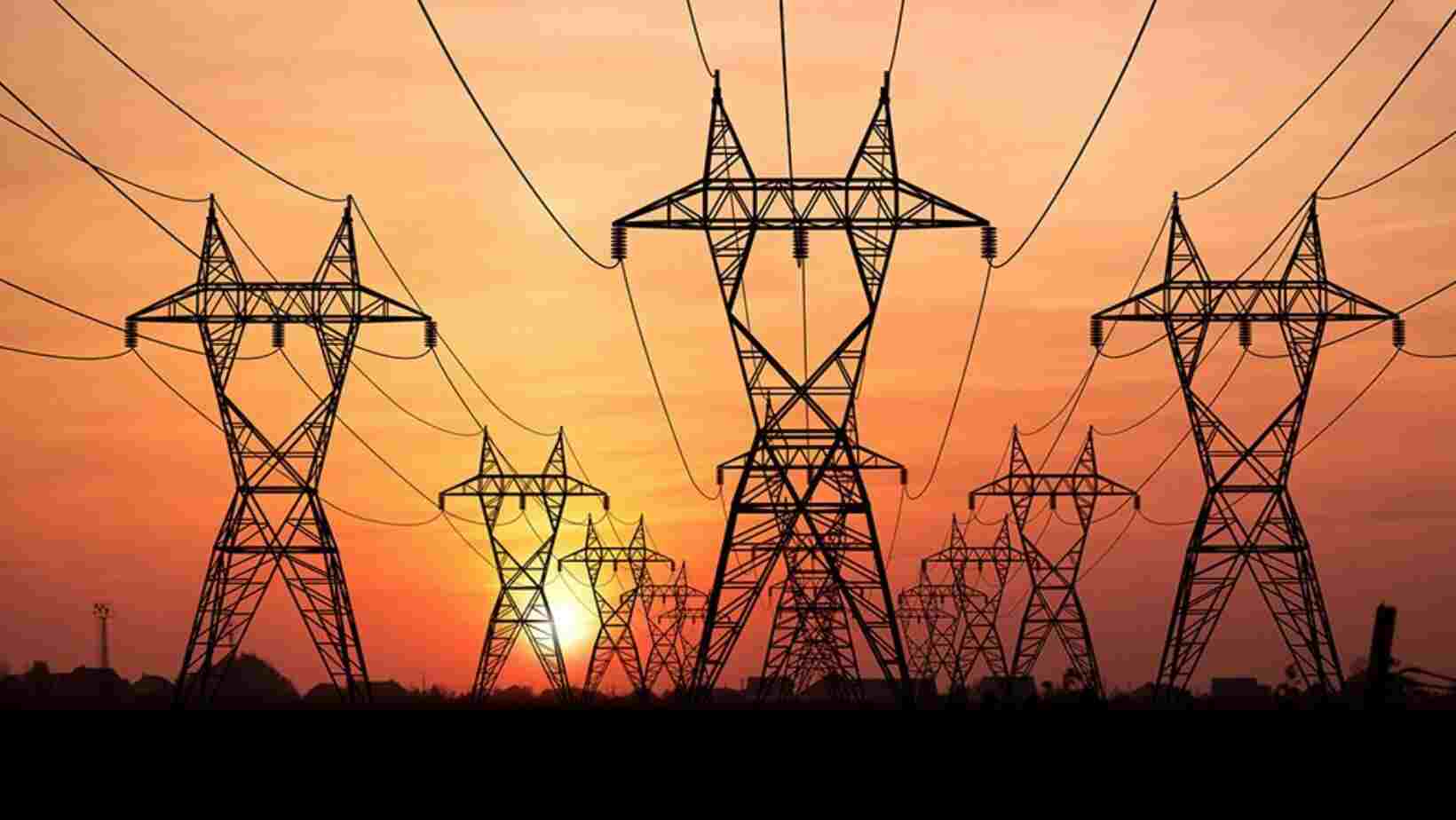
South Africans are facing what the Democratic Alliance (DA) has described as a long-running “electricity price crisis”, with sharp increases in tariffs and fixed charges placing growing pressure on households already struggling with the cost of living.
According to the DA, electricity prices have risen by more than 945% since 2007 — far exceeding inflation over the same period. The party argues that despite these increases, the country’s electricity infrastructure continues to deteriorate, raising serious concerns about value for money and long-term sustainability.
Tariff system under scrutiny
At the centre of the dispute is the pricing model used by the National Energy Regulator of South Africa (NERSA) and Eskom.
The DA claims that the system relies on a method known as “modern equivalent asset value”, which estimates the cost of replacing ageing infrastructure at today’s prices — even if that infrastructure was built decades ago and is still in use.
Critics argue this approach effectively passes the cost of hypothetical future infrastructure onto current consumers. In practical terms, this means households may be paying higher tariffs based on replacement values rather than the actual condition or output of existing power stations.
Claims of financial discrepancies
The DA has also raised concerns about alleged financial inconsistencies within the regulatory process. The party claims that errors linked to accounting and version control may have contributed to a discrepancy of more than R100 billion in Eskom’s financial calculations.
It further alleges that a settlement agreement worth tens of billions of rand was used to address part of this gap. These claims have not been independently verified at the time of publication, and NERSA has not yet publicly responded to the latest allegations.
Impact on households
While headline tariff increases have drawn attention, the DA says the real burden on consumers lies in rising fixed charges.
The party points to a reported increase of around 28% in fixed monthly connection fees for residential users. These charges are applied regardless of how much electricity a household consumes, meaning even low-usage households could see higher bills.
For many South Africans, particularly in smaller towns and municipalities already dealing with infrastructure challenges, these increases could further strain household budgets.
Legal and regulatory tensions
The debate over electricity pricing is not new. A previous High Court ruling criticised aspects of NERSA’s methodology, describing elements of its approach as irrational. The DA argues that similar pricing structures are now being reintroduced, despite past legal concerns.
The party has also criticised the consultation process around tariff increases, describing it as insufficient and not adequately transparent.
Calls for intervention
In response, the DA has called for:
- An independent audit of NERSA’s electricity pricing calculations
- Leadership changes within the regulator
- The urgent release of an updated national electricity pricing policy
The party says these steps are necessary to restore public trust and ensure that electricity pricing is fair, transparent, and sustainable.
Broader context
Electricity pricing remains one of South Africa’s most contested policy areas, with ongoing debates about affordability, infrastructure investment, and governance.
Municipalities across the country — including those in the Eastern Cape — continue to face challenges related to ageing infrastructure, revenue collection, and rising bulk electricity costs.
As the debate intensifies, energy experts warn that balancing affordability with the need to maintain and upgrade infrastructure will remain a complex and politically sensitive issue.