Eastern Cape
Indwe mining dispute escalates as government calls operation illegal

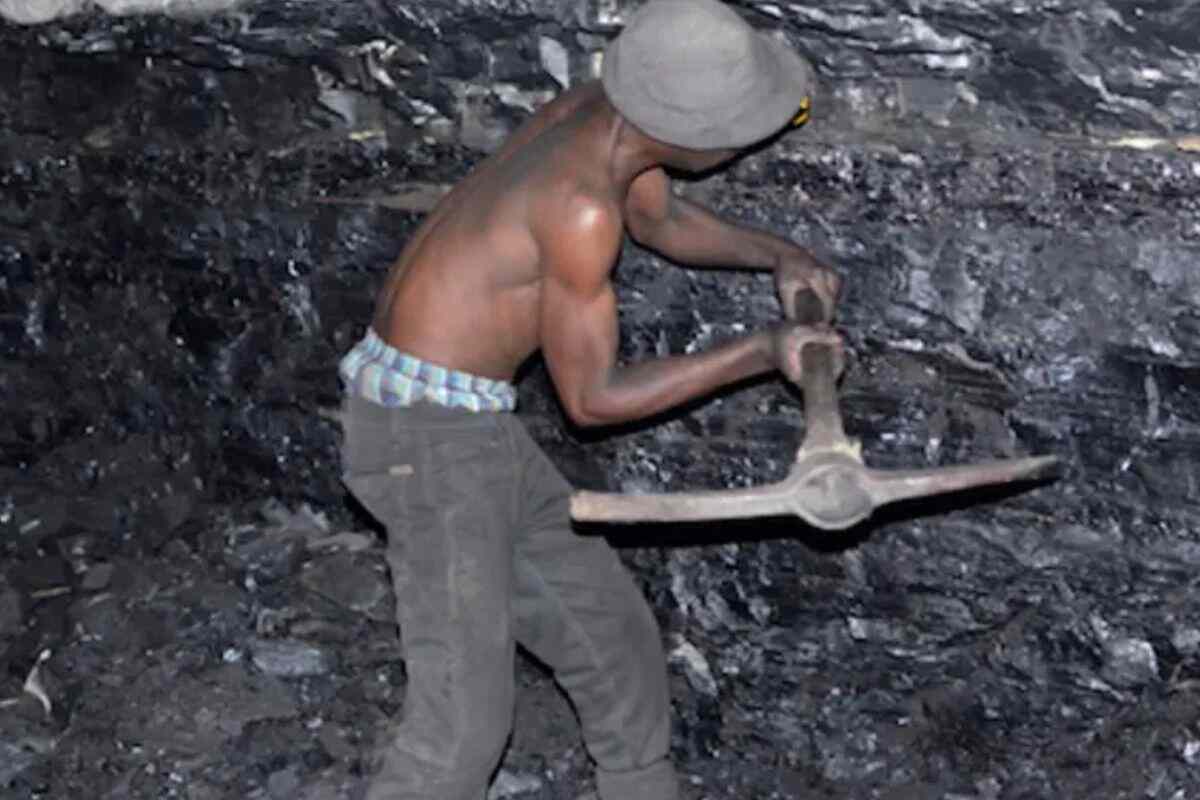
A growing dispute over coal mining activities in Indwe has intensified after government officials confirmed that the operation being carried out by a local cooperative is considered illegal under South African mining legislation.
The Department of Mineral and Petroleum Resources (DMPR) has stated that mining without the necessary environmental authorisation and mining rights or permits is unlawful and cannot be permitted to continue.
This comes after members of the Indwe Mining Primary Cooperative claimed their operations were recently halted by police, sparking anger among miners who say the shutdown threatens the livelihoods of dozens of families in the community.
Government: Mining without permits is illegal
In correspondence seen by Komani News, a DMPR official emphasised that the law is clear on the matter.
“Our work is guided by legislative provisions which prohibit mining without environmental authorisation and mining right or permit and there are no exemptions provided for in law,” said DMPR official Shadrack Nkuna.
Nkuna further warned that any individual or company continuing to mine coal without complying with the legal requirements would face criminal charges.
“Illegal mining of coal will not be allowed. If anyone insists on mining without satisfying the conditions specified above, such an individual or company will be charged,” he said.
Cooperative disputes ‘illegal’ label
However, the Indwe Mining Primary Cooperative strongly disputes the claim that its members are illegal miners.
Deputy Chairperson Buyisile Sydwell Ngqulwana said the cooperative has been operating in the area for many years and has tried to comply with government regulations.
Ngqulwana stated that small-scale coal mining activities in the area date back decades and that cooperative members have previously engaged with government officials and other stakeholders.
“For the past 20 years we have tried to comply with the regulations and requirements of government,” Ngqulwana said in written correspondence.
He also claimed members attended training programmes organised by officials from the department and still hold certificates issued during those sessions.
Police shutdown and financial losses
The dispute escalated after police allegedly stopped the cooperative’s mining operations and intercepted trucks that had already loaded coal.
According to Ngqulwana, several trucks were fined and the coal confiscated before the cooperative had received payment for the material.
“This situation has caused serious concern and financial loss to our members,” he said.
The cooperative claims around 35 small-scale miners depend on the operation as their primary source of income.
Threat of shutdown in Indwe
Ngqulwana warned that frustration among cooperative members and businesses connected to the mining activities could lead to economic disruption in the area.
He said members and supporting businesses may halt activities in Indwe in protest if the matter is not addressed through engagement with government officials.
“If we do not reach a consensus and your office does not cooperate with us, our members and supporting businesses will be forced to stop business activities in Indwe in protest,” he wrote.
The cooperative has requested direct engagement with the department to discuss training, development opportunities, and possible solutions to the dispute.
Department refers matter to enforcement authorities
Meanwhile, a regional manager within the department has indicated that the matter has been referred to the relevant authorities responsible for enforcement.
In internal communication, the department noted that the cooperative had confirmed mining activities taking place over an extended period and indicated that the situation required further follow-up.
Community watching developments
The situation has created uncertainty in Indwe, where mining-related activities provide income for some residents and businesses.
Community members are now watching closely to see whether discussions between government officials and the cooperative will take place to resolve the dispute.
At the centre of the conflict is the question of how long-standing small-scale mining operations in rural areas should be regulated, and whether there is a pathway for informal miners to become fully compliant with national mining laws.
For now, the future of the mining operation remains uncertain as tensions continue to rise between the cooperative and government authorities.