
Local News
Komani GBV March Unites Community Against Gender-Based Violence

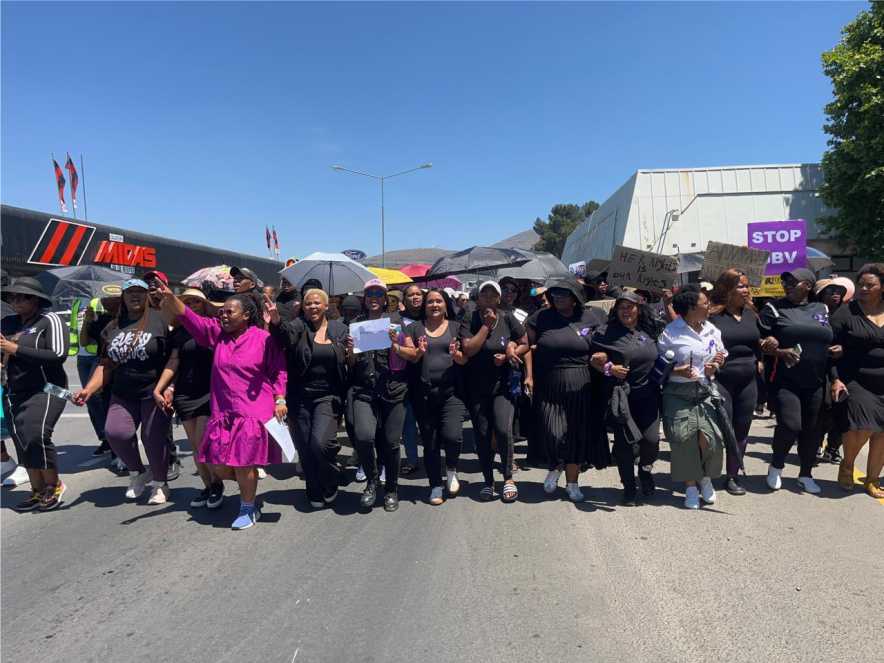
Komani GBV March Spotlights Crisis in Enoch Mgijima Municipality
Komani, Eastern Cape — In a bold show of unity, the Enoch Mgijima Local Municipality recently collaborated with community organisations Izibele Zoluntu and Nokulunga Mercy Victim Empowerment Community Centre to host a Komani GBV march, highlighting the municipality’s commitment to tackling Gender-Based Violence and Femicide (GBVF).
A March for Awareness and Change
Residents, community leaders, and activists from across Komani and the broader Enoch Mgijima area came together, carrying purple banners, posters, and messages denouncing gender-based violence. The purpose of the march was clear: raise awareness, support survivors, and demand sustained action from government and civil society.
At the event, organisers distributed information about local victim‑support services, such as counselling, legal assistance, and how to report abuse safely. They also called for ongoing education around respect, consent, and gender equality to prevent violence before it starts.
The GBV Reality in Komani and the Eastern Cape
While specific daily GBV figures for Komani are not widely reported, recent data illustrates a troubling trend in the region:
-
According to reports from Komani’s police precincts (Ezibeleni, Komani, and Mlungisi), there were 158 rape cases between April 1, 2024 and March 31, 2025, which approximates to nearly one reported rape every two days. DA Eastern Cape
-
On a provincial level, the Eastern Cape — where Enoch Mgijima Municipality is located — has one of the highest GBV rates in South Africa, with recorded rates more than twice the national average for certain forms of violence. Sowetan
-
A community‑based survey (Masibambisane) found that 54% of women in the Eastern Cape reported having experienced either physical or sexual violence, with 13% reporting sexual violence. FHR
Given these reported figures, it’s reasonable to infer that GBV is a deeply-rooted and persistent challenge in Komani and its surroundings.
Why the March Matters
The Komani GBV march comes at a time when activists and community members are demanding more than symbolic protests — they want sustainable, institutional change. By involving both municipal structures and grassroots organisations, the march is part of a broader strategy to:
-
Increase reporting — encouraging survivors to come forward, knowing there is help available.
-
Strengthen support services — ensuring victims have access to counselling, legal assistance, and shelters.
-
Prevent violence — through education campaigns targeting young people, challenging harmful gender norms, and promoting healthy relationships.
Looking Forward
The partnerships behind the march — the municipality, Izibele Zoluntu, Nokulunga Mercy Centre — are calling for long-term investments in GBVF prevention, not just one-off events. They are urging:
-
Regular community dialogues on GBV
-
Expanded access to Thuthuzela Care Centres (TCCs) or similar facilities in Komani
-
Collaboration with police, social development, and health services for a coordinated response
For the residents of Komani, the march was more than a protest — it was a statement that GBV will not be tolerated. The challenge now lies in converting that energy into sustained change.
