South Africa
Fuel prices set to surge as Middle East tensions disrupt supply

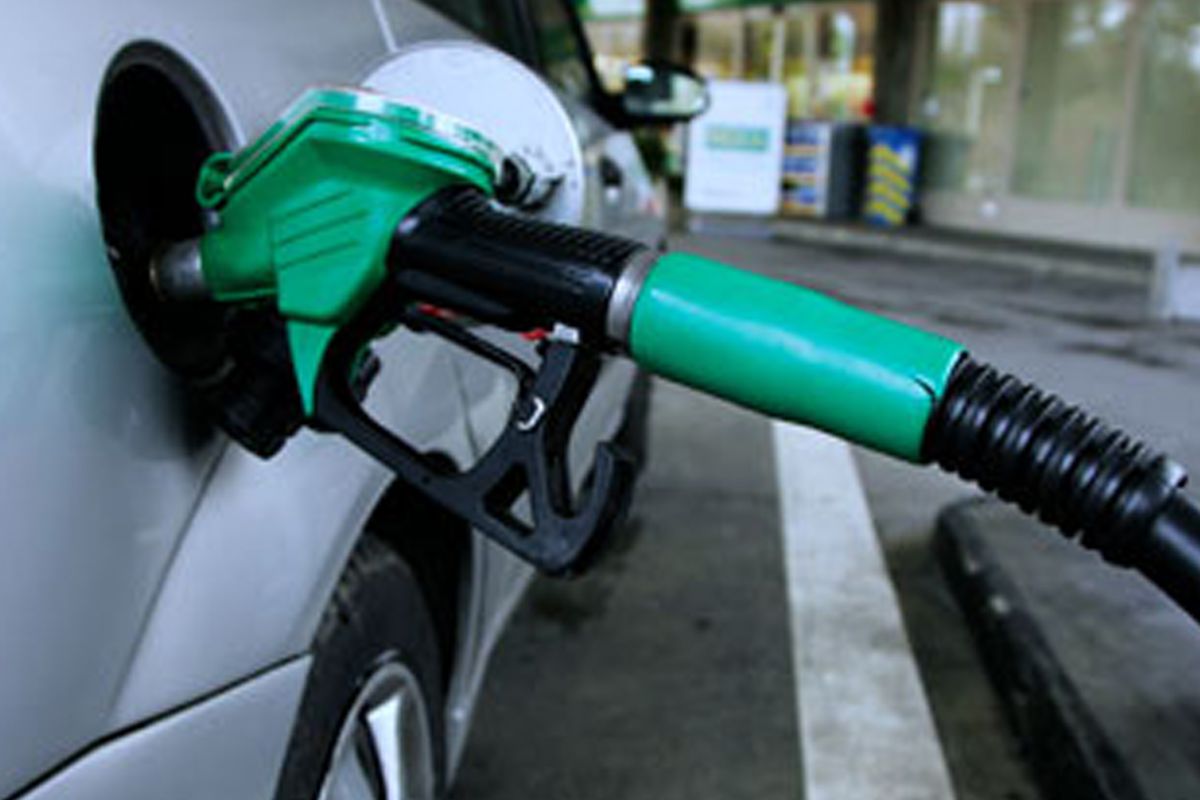
Motorists and businesses across South Africa are being warned to brace for a sharp increase in fuel prices next month, with early indications pointing to significant hikes across diesel, petrol and paraffin.
The following estimated increases could come into effect from 8 May 2026, although final figures are still subject to official confirmation:
- Diesel (50ppm): increase of around R5.00 per litre
- Paraffin: increase of around R4.00 per litre
- Petrol (95 ULP): increase of around R1.95 per litre
Middle East instability driving global pressure
The expected increases are being linked to ongoing instability in the Middle East, which continues to disrupt global fuel supply chains. Industry communication to customers warns that uncertainty in the region is affecting availability and placing pressure on prices worldwide.
Suppliers say the situation has already led to fuel shortages and rationing measures across the industry, with companies now forced to carefully manage stock levels to ensure continued supply to customers.
This reflects broader global trends, where geopolitical tensions in key oil-producing regions often trigger price volatility due to fears over supply disruptions.
Supply constraints and rationing concerns
Fuel distributors have indicated that the current environment remains “challenging”.
Impact on consumers and local economy
If the increases are confirmed, the impact will be felt widely across the economy.
Higher diesel prices are likely to:
- Push up transport costs
- Increase food prices due to higher logistics expenses
- Place additional strain on farmers and freight operators
Petrol price hikes will directly affect motorists, while paraffin increases could hit low-income households particularly hard, as it remains a key energy source in many communities.
For towns like Komani and surrounding areas, where residents already face rising living costs, the increases could add further pressure on household budgets.
Uncertainty remains
While the figures remain provisional, the scale of the expected increases signals a potentially difficult month ahead for consumers.
Fuel prices in South Africa are influenced by several factors, including:
- International oil prices
- Exchange rate fluctuations
- Global supply conditions
With Middle East tensions ongoing, volatility is expected to continue in the short term.
What to watch next
The Department of Mineral Resources and Energy is expected to confirm the official fuel price adjustments closer to the implementation date in early May.
Until then, both businesses and consumers are being advised to prepare for higher costs and possible supply challenges.