Local News
Traffic Watch: High Vehicle Volumes Recorded on Major Eastern Cape Routes

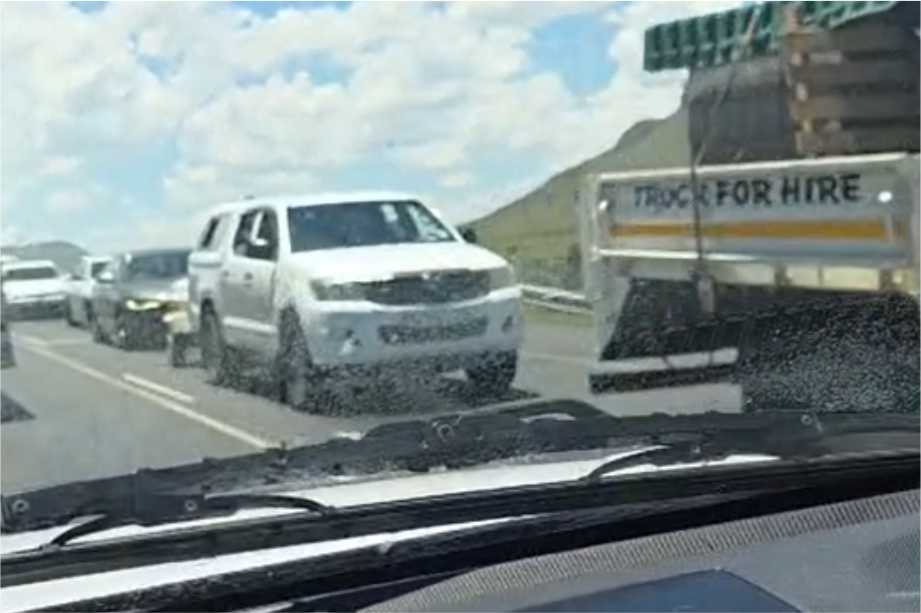
Vehicle monitoring conducted across several key Eastern Cape routes between 10:00 and 11:00 on Friday, 3 January 2026, provides useful insight into traffic patterns during the ongoing festive season return period. The figures reflect not only how busy each road was within the hour, but also the type of movement taking place between towns, rural areas and regional hubs.
N6 to Cathcart (N6) – 263 vehicles
The N6 to Cathcart recorded 263 vehicles within the hour, indicating moderate traffic flow. This stretch of road serves motorists travelling between Komani, Stutterheim and East London, as well as local agricultural transport. While the volume was not exceptionally high, it suggests a steady stream of vehicles rather than congestion, typical of mid-morning travel outside peak rush hours.
N6 through Penhoek (N6) – 464 vehicles
The Penhoek section of the N6 recorded 464 vehicles, making it one of the busier national road segments during the monitoring period. This section is a known bottleneck due to its mountainous terrain, sharp bends and history of serious accidents. A count of this level highlights increased long-distance travel, with holidaymakers and commercial vehicles sharing the route. Traffic volumes of this nature require heightened driver awareness, especially on descents and in changing weather conditions.
R61 to Tarka (R61) – 319 vehicles
Road to Tarka on the R61, traffic volumes reached 319 vehicles in one hour. This indicates consistent regional movement between inland towns and surrounding rural communities. The R61 is frequently used by private motorists, taxis and delivery vehicles, and numbers at this level suggest active daytime travel rather than heavy congestion.
R61 to Cofimvaba (R61) – 655 vehicles
The highest vehicle count was recorded on the R61 to Cofimvaba, where 655 vehicles passed through within the hour. This figure points to strong regional mobility and reflects Cofimvaba’s role as a key link between inland areas and the coastal regions. Such high volumes often occur during festive periods, grant payment cycles, or return-travel days, and significantly increase the risk of crashes if road users do not exercise caution.
R410 to Lady Frere (R410) – 312 vehicles
The R410 to Lady Frere recorded 312 vehicles, showing notable activity on a route that connects several rural communities to the N6. These numbers suggest local travel, public transport movement and inter-town trips rather than through-traffic. Even at moderate volumes, this road requires caution due to livestock crossings and limited shoulders.
R392 to Dordrecht – 364 vehicles
On the R392 to Dordrecht, 364 vehicles were counted, reflecting steady regional traffic. This route supports both private travel and freight movement and is often used as an alternative connection between smaller towns and the N6. Volumes at this level point to consistent movement without significant congestion but still demand driver vigilance.
What the Numbers Mean
Hourly vehicle counts offer a snapshot of road usage rather than full-day totals, but they are a valuable indicator of traffic pressure. Counts above 400 vehicles per hour on regional routes typically signal heightened risk, especially on roads with challenging terrain or limited infrastructure. Lower counts, while less congested, still require careful driving due to rural road conditions.
Motorists are encouraged to plan journeys carefully, remain patient, and comply with traffic regulations as festive season travel continues across the Eastern Cape.