Local News
Komani News backs lowering national speed limit to 100 km/h

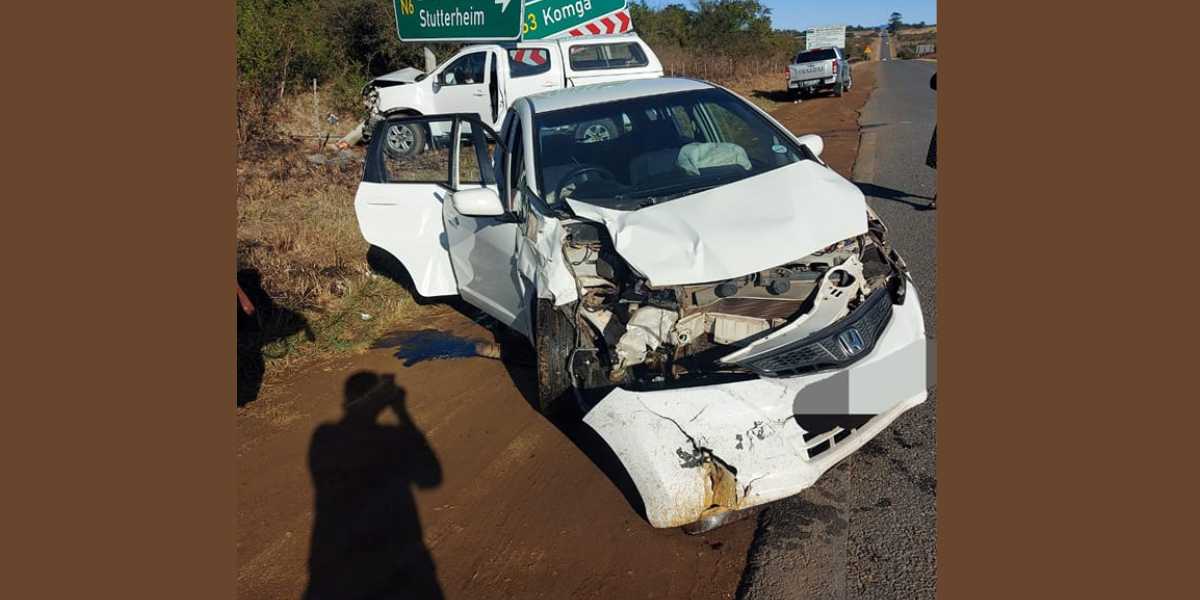
South Africa’s national roads remain some of the most dangerous in the world, with speeding a leading factor in countless accidents every year. In light of recent tragedies on the R61, N2, and other major highways, Komani News strongly supports reducing the national speed limit from 120 km/h to 100 km/h. We believe this is a practical and necessary measure to save lives, prevent serious injuries, and make our roads safer for all South Africans.
Why reducing speeds matters
Research consistently shows that even small reductions in speed dramatically lower the risk of crashes and their severity. A vehicle travelling at 120 km/h requires a longer stopping distance, leaving little margin for error in emergencies. By reducing the limit to 100 km/h, drivers would have more time to react to hazards such as sudden traffic, pedestrians, livestock, or poor road conditions, which are common in rural parts of the Eastern Cape.
Traffic authorities have long struggled to enforce current speed limits. Non-compliance, combined with poor road maintenance and reckless driving, has created a dangerous mix. Lowering the speed limit to 100 km/h would not only make the roads safer but would also make enforcement more achievable. It is easier to monitor and penalise drivers when the limit is realistic and widely adhered to.
Local impact: Komani and the Eastern Cape
In Komani, drivers frequently face hazardous conditions. National roads like the R61 and N6 cut through towns, villages, and high-traffic areas, including commercial hubs and residential zones. Residents report near-misses almost daily, and emergency services regularly respond to crashes caused or worsened by excessive speed.
Reducing the speed limit would help protect not only motorists but also pedestrians, cyclists, and local communities who live along these busy routes. Slower speeds translate to fewer fatalities, less severe injuries, and a reduction in the emotional and economic toll that accidents place on families and local services.
International context
Many countries have already lowered highway speed limits with significant results. In Europe, for example, nations that reduced maximum speeds on major roads reported decreases in both accident rates and the severity of injuries. South Africa’s current 120 km/h limit is higher than in many comparable economies, yet enforcement and compliance are far weaker. Lowering the speed limit aligns us with best practices internationally and demonstrates a commitment to road safety.
Arguments against the change
Some argue that reducing the speed limit will not prevent accidents, claiming that reckless driving and poor road conditions are the real culprits. Others suggest that slower speeds will increase travel times, impacting commerce and daily commuters. While these concerns are understandable, Komani News believes that the human cost of inaction far outweighs minor inconveniences. Saving lives and reducing injuries must take priority over slightly faster travel.
Komani News’ stance
Komani News is firmly in favour of lowering the national speed limit to 100 km/h. This measure, combined with stricter enforcement, public awareness campaigns, and improved road conditions, could save hundreds of lives each year.
Reducing the national speed limit is not just a policy adjustment—it is a moral imperative. Every life lost to speeding is one too many, and communities across the Eastern Cape deserve safer roads.