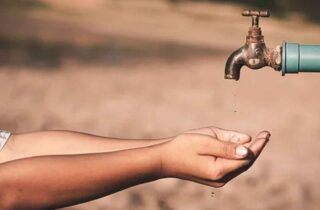
Residents of Ward 5 in Thembisa, Burgersdorp, are facing a harsh and uncertain Christmas after being left without running water for more than seven consecutive days, raising renewed concerns about service delivery failures in the Joe Gqabi District Municipality.
The situation has drawn sharp criticism from the Democratic Alliance (DA), with New Horizon Constituency Leader for the Joe Gqabi District, Marina van Zyl MP, warning that the ongoing outage has created degrading and dangerous living conditions for families, particularly during the peak summer heat of December.
Seven Days Without Water
Water provision is a core municipal responsibility and a constitutional right. Yet for residents of Thembisa, daily life has become a struggle as taps remain dry with no clear communication on when reliable supply will be restored.
Households report that emergency water tankers, meant to serve as a temporary measure, are failing to meet even basic needs. Tankers do not arrive daily and, when they do, the quantities delivered are insufficient for cooking, cleaning, drinking, and sanitation.
For many residents, especially the elderly and children, the burden of water collection has become physically exhausting and unsafe.
Elderly and Children Bear the Brunt
In extreme summer temperatures, vulnerable residents are forced to walk long distances carrying heavy buckets in the hope of collecting as little as five litres of water. At communal collection points, water shortages often lead to heightened tension as supplies quickly run out.
Many families in Thembisa cannot afford bottled water, leaving them without safe alternatives. This raises serious public health concerns, particularly for children, older persons, and those with chronic illnesses who rely on clean water for hygiene and medication.
Municipal Responsibility Under Scrutiny
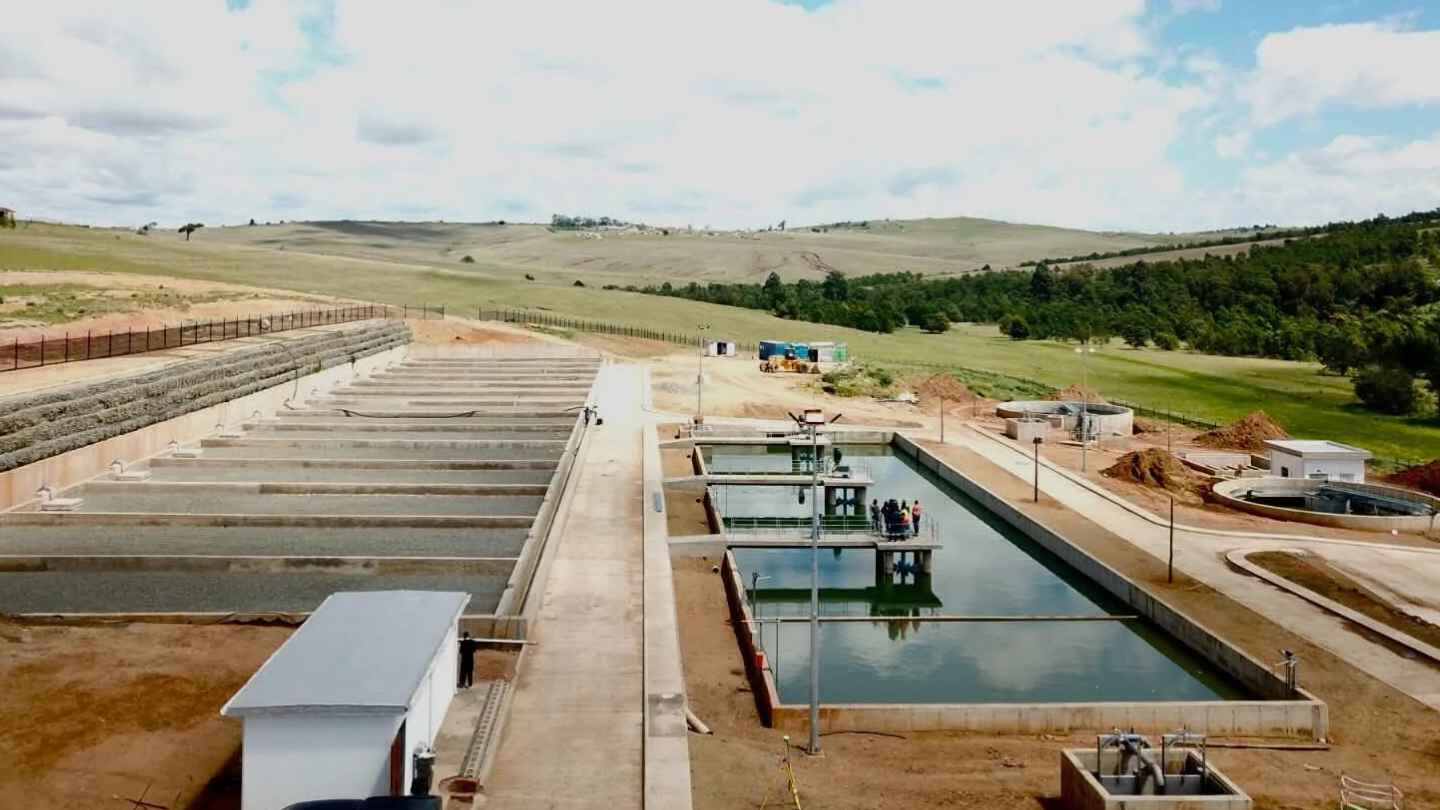
The Joe Gqabi District Municipality is responsible for water provision in the area. However, frequent and prolonged outages in Thembisa point to deeper problems in infrastructure maintenance, planning, and crisis response.
According to the DA, the continued reliance on water tankers highlights a failure to address the root causes of the problem. Emergency measures, while necessary during short-term disruptions, cannot replace a functional and reliable water supply system.
The ongoing outages suggest that contingency planning has been inadequate, leaving communities repeatedly exposed to hardship with little accountability.
DA Demands Urgent Intervention
Marina van Zyl MP has formally written to the Municipal Manager of the Joe Gqabi District Municipality, demanding an urgent explanation for the repeated water disruptions in Thembisa.
The DA is calling for immediate steps to ensure predictable water access for households while long-term infrastructure failures are addressed. At a minimum, the party insists that water must be restored to household taps on a reliable schedule, no less than every second day, to protect dignity and health.
The party has warned that without decisive intervention, the crisis risks becoming normalised, with communities expected to endure conditions that fall far below constitutional standards.
A Christmas Defined by Survival
The timing of the outage has added to residents’ distress. The Christmas period is traditionally a time for rest, family gatherings, and care. Instead, many households in Thembisa are forced to focus on survival, planning daily routines around the search for water.
Access to water is fundamental to human dignity, sanitation, and health. Prolonged outages, particularly during extreme heat, place residents at risk and undermine trust in local government.
Calls for Accountability Continue
The Democratic Alliance has pledged to continue holding those responsible accountable until residents of Thembisa receive a reliable and sustainable water supply.
The situation in Thembisa reflects a broader challenge facing many Eastern Cape communities, where basic services such as water remain inconsistent despite repeated promises of improvement.
For residents of Ward 5, the hope is that urgent intervention will prevent the current crisis from extending into the new year and that reliable water access will no longer be treated as a luxury, but as the basic right it is.