Residents across the Chris Hani District could soon face significantly higher water bills, as new proposed tariffs reveal steep increases across all usage levels — at a time when many households are already struggling with rising fuel, food and overall living costs.
The proposed adjustments, published in a public notice in The Representative, form part of the municipality’s tariff review for the 2026/27 financial year and are currently open for public comment.
Water tariffs show steep increases across all bands
The proposed tariffs indicate substantial increases for domestic users across every consumption level.
For households:
- 0–6kl: R13.80 → R61.00 per kilolitre
- 7–15kl: R16.10 → R71.20
- 16–30kl: R19.70 → R87.10
- 31–45kl: R24.90 → R108.70
- 46–60kl: R26.30 → R118.50
- 61kl+: R30.20 → R133.50
The figures reflect a sharp upward adjustment across all usage brackets, meaning residents could pay significantly more for water if the proposals are approved.
Business and institutional users also affected
Proposed increases are also reflected across business and institutional categories.
For example:
Institutional use:
- 0–200kl/month: R16.40 → R72.50
- 201–2,500kl/month: R18.20 → R80.40
- 2,501kl+: R19.69 → R88.00
Business use:
- 0–5,000kl/month: R21.10 → R93.30
- 5,001–25,000kl/month: R21.40 → R94.60
- 25,001–50,000kl/month: R21.70 → R95.90
- 50,001kl+: R21.70 → R95.40
Fixed monthly charges also changing
In addition to consumption tariffs, fixed monthly availability charges are also proposed to change:
- Domestic: R145.60 → R180.00
- Institutional: R189.20 → R233.70
- Business: R203.80 → R251.70
While most categories increase, the proposed business charge reflects a decrease, though this may require further clarification.
Increases come amid ongoing service delivery concerns
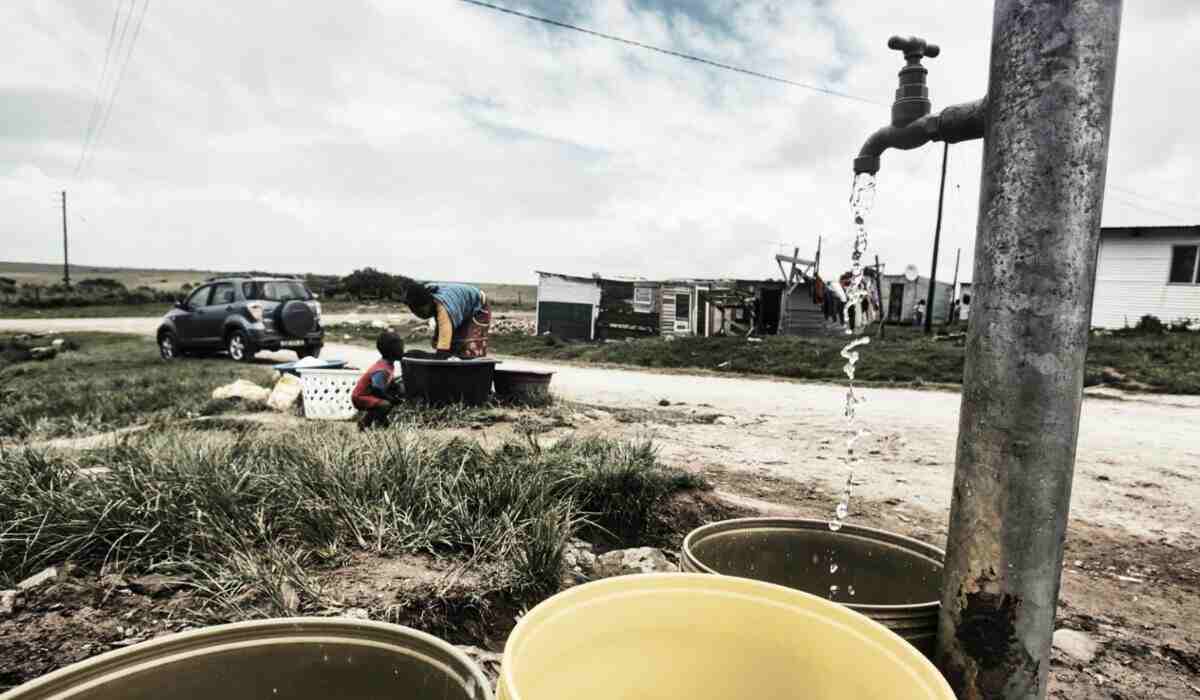
The proposed tariff hikes come at a time when some communities across the district continue to report water supply interruptions and sanitation challenges.
Residents in areas such as Mlungisi, Ezibeleni and surrounding towns have previously raised concerns about inconsistent water supply and sewage-related issues.
Municipality: tariffs not covering real costs
Responding to Komani News, Chris Hani District Municipality spokesperson S. Ngceke said:
“Chris Hani District Municipality in conjunction with Provincial Treasury conducted a scientific research on the cost reflectiveness of the municipal tariffs and the findings of the research indicated that tariffs of the municipality are not cost reflective. The research has taken into account all the cost drivers that are required to produce a clean drinkable kilolitre (1 000 litres) of water that is distributed to our customers.”
Ngceke added:
“For over a decade, tariffs were kept artificially low using CPIX creating a significant gap developed between cost of supply and revenue.”
**“These low tariffs did not fully reflect:
- the actual cost of water provision
- maintenance and upgrades
- Inflationary pressures”**
Not a percentage increase
According to the municipality:
“The proposed tariff increase is not percentage based, it is based on the actual cost for the Municipality to render the services.”
Service challenges acknowledged
The municipality acknowledged ongoing issues:
“The district municipality is aware of the challenges with regards to water supply and sanitation disruptions and has put response systems in place.”
It added:
“The low Tariffs that are currently not cost reflective together with the low revenue collection have a direct impact on the Municipality’s ability to render quality services.”
Indigent households to receive support
Ngceke said:
“Indigent households are classifiable within the municipal indigent register and qualifying households will continue to receive services according to the indigent policy.”
Public participation open
Residents have been invited to submit comments on the proposed tariffs before they are finalised as part of the municipal budget process.
What this means for residents
If approved, the proposed changes could result in:
- Significantly higher monthly water bills
- Increased fixed charges for households
- Higher costs across businesses and institutions
For many residents already facing rising living costs, the increases could place additional financial pressure on households.