A Sacred Homecoming for South Africa’s First People
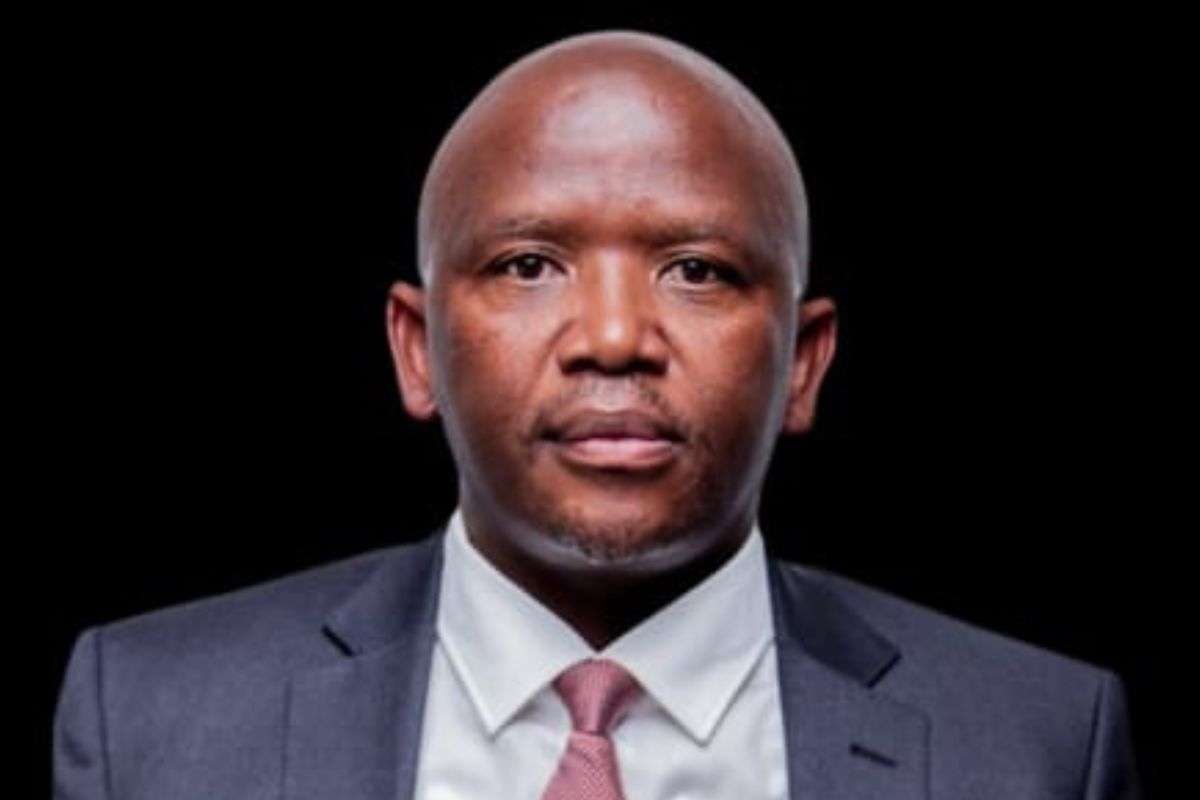
In a deeply emotional and historic moment, South Africa’s Minister of Sport, Arts and Culture, Gayton McKenzie, has led the official handover of six Khoe and San ancestral remains from Scotland’s University of Glasgow back to South African soil.
This event marks the first time in history that South Africa’s First People — the Khoe and San — are being brought home by a sitting Minister of Sport, in what McKenzie has called “a reconnection of soul and soil.”
The remains, held for over a century at the Hunterian Museum in Glasgow, are finally being repatriated to their ancestral lands in partnership with community leaders from the Northern Cape — the heartland of South Africa’s First Nation heritage.
“A Nation Reclaims Its Dignity”
Minister McKenzie described the occasion as a “sacred and overdue act of justice,” saying it was about restoring dignity to the First People of South Africa.
“Today, we do not just bring home bones — we bring home spirits, we bring home stories, and we bring home the truth of who we are,” said McKenzie.
The Department of Sport, Arts and Culture has been instrumental in negotiating the return, working closely with Scottish authorities and Indigenous leaders to ensure the process respected both spiritual protocol and historical truth.
For the Indigenous communities of the Northern Cape, the return of their ancestors represents a closing of a painful chapter and a spiritual restoration that reaches across generations.
Global Recognition for Cultural Restitution
The University of Glasgow and the Hunterian Museum have acknowledged their role in the colonial collection of human remains, committing to return artefacts and ancestral remains to their rightful communities.
The repatriation aligns with growing global calls for Western institutions to return human remains and sacred items taken during colonialism. It also highlights South Africa’s commitment to truth, reconciliation, and cultural sovereignty.
Social Media Erupts with Emotion and Pride
Across South Africa, social media users have flooded comment sections with praise, pride, and reflection.
Gavin Jood wrote:
“People who would have had no interest in our history, cultures and ancestry would not have had the will to do this. Thank you Minister McKenzie for restoring hope.”
Marlon Daniels shared a heartfelt message:
“May God bless you for being a blessing to our nation, Minister Gayton McKenzie. You were born for a time like this.”
From the Griqua community, Marilyn Meyer proudly declared:
“Thanks HONORABLE PRES GAYTON MCKENZIE Soil Legend. I’m a Proud GRIQUA WATERBOER ✨️.”
While some questioned why the return had taken so long, the overwhelming sentiment was one of gratitude and spiritual healing.
Home at Last
The remains will soon be transported to South Africa, where traditional ceremonies in the Northern Cape will honour their return. Indigenous elders, cultural custodians, and government representatives will oversee the reburial rites — ensuring the ancestors are finally laid to rest according to custom.
Historians have hailed the moment as a turning point in South Africa’s cultural restitution efforts, and a reminder that the country’s true heritage begins with its First People.
“This is not just about the past,” said a Northern Cape community leader. “It’s about the identity of our children — and the future we are reclaiming.”
A Landmark in South African History
For Minister McKenzie, known for his bold leadership style, this event stands as one of the most powerful moments of his tenure — uniting culture, identity, and justice.
From the heart of the Northern Cape to the halls of Glasgow, the message is clear:
South Africa’s First People are coming home.
Local Context:
While the handover takes place in Scotland, its spiritual significance resonates strongly across the Eastern Cape, Northern Cape, and the wider First Nation communities. The repatriation is a reminder that true reconciliation begins with remembering — and returning — what was taken.