Local News
Lightning Turns School Sports Fields Into High-Risk Zones

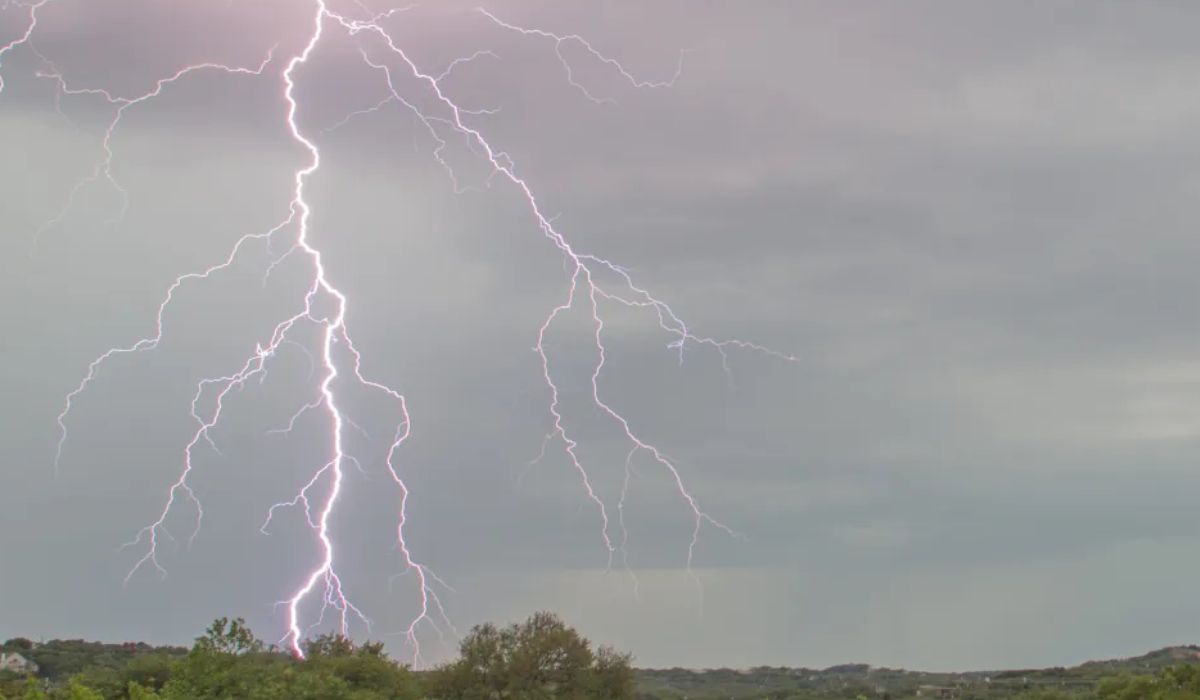
Lightning and School Sport: Why Outdoor Games Must Stop Immediately During Storms
As school sport programmes continue across Komani and the wider Eastern Cape, parents and educators are being urged to take lightning threats far more seriously.
Thunderstorms are not just a weather inconvenience — they are a direct and potentially fatal danger, especially to learners participating in outdoor sport.
Experts warn that school sport should be suspended immediately when lightning is detected nearby, even if rain has not yet started and skies still appear partly clear.
Why School Sports Are Especially at Risk
Open sports fields, athletics tracks, goalposts, rugby poles and metal equipment all increase the danger during thunderstorms. Learners running, holding equipment or standing in groups are particularly vulnerable.
Lightning does not need to strike a person directly to cause harm. Electrical current can travel through the ground, metal structures or even wet surfaces, causing cardiac arrest, severe burns, nerve damage or death.
School sports are high-risk because:
-
Fields are open and exposed
-
Learners are often far from immediate shelter
-
Coaches may underestimate how close storms really are
South Africa’s Lightning Reality
South Africa is regarded as one of the world’s lightning hotspots due to its climate and geography. Safety researchers and meteorological authorities estimate that hundreds of people are killed by lightning in South Africa every year, with thousands more injured.
Children and teenagers are not immune. Several serious incidents over the years have involved learners struck during or after school activities, highlighting the need for stricter safety rules around school sport.
If You Can Hear Thunder, You Are Already in Danger
A key rule emphasised by safety experts is simple:
If thunder is audible, lightning is close enough to strike.
Lightning can occur many kilometres away from visible rain, which is why waiting until weather “looks bad” is a dangerous mistake.
10km Rule: Sport Must Stop
Schools and sports bodies are strongly encouraged to adopt a 10-kilometre lightning safety rule:
-
If lightning is detected within 10km, all outdoor sport must stop immediately
-
Learners should be moved to safe indoor shelter
-
Activities should only resume once the storm has clearly passed
Use Technology: Lightning Detection Apps
Parents, coaches and school management teams are encouraged to use real-time lightning detection apps available on the Google Play Store.
These apps:
-
Show live lightning strikes in real time
-
Display strikes at the same moment they occur
-
Allow alerts when lightning enters a chosen radius, such as 10km
-
Remove guesswork from safety decisions
Using such an app during school sports can mean the difference between a timely stoppage and a tragic outcome.
Schools Need Clear Lightning Safety Policies
Every school offering outdoor sport should have a written, enforced lightning protocol that includes:
-
Monitoring weather and lightning activity before and during sport
-
Immediate suspension of activities when lightning is nearby
-
Clear responsibility given to coaches or staff to make the call
-
Safe shelter plans for learners during sudden weather changes
Importantly, safety decisions should never be overridden by match schedules, tournaments or pressure to continue play.
A Message to Parents and Coaches
Parents are encouraged to ask schools what their lightning safety procedures are. Coaches are reminded that learner safety must always outweigh competitive outcomes.
Stopping a match early may disappoint players — but continuing sport during lightning can cost lives.
Lightning is fast, unpredictable and deadly. When it comes to school sport, there is no safe risk to take.