Minister Tolashe Leads Social Development Outreach in Komani, Honouring Historical Legacy
Komani, Eastern Cape — Minister of Social Development, Honourable Sisisi Tolashe, visited Komani today where she led a major community outreach programme at the historic Nonzwakazi Methodist Church. The event formed part of the Department of Social Development’s Integrated Community Registration Outreach Programme (ICROP), a national initiative aimed at bringing government services closer to communities that struggle with access.
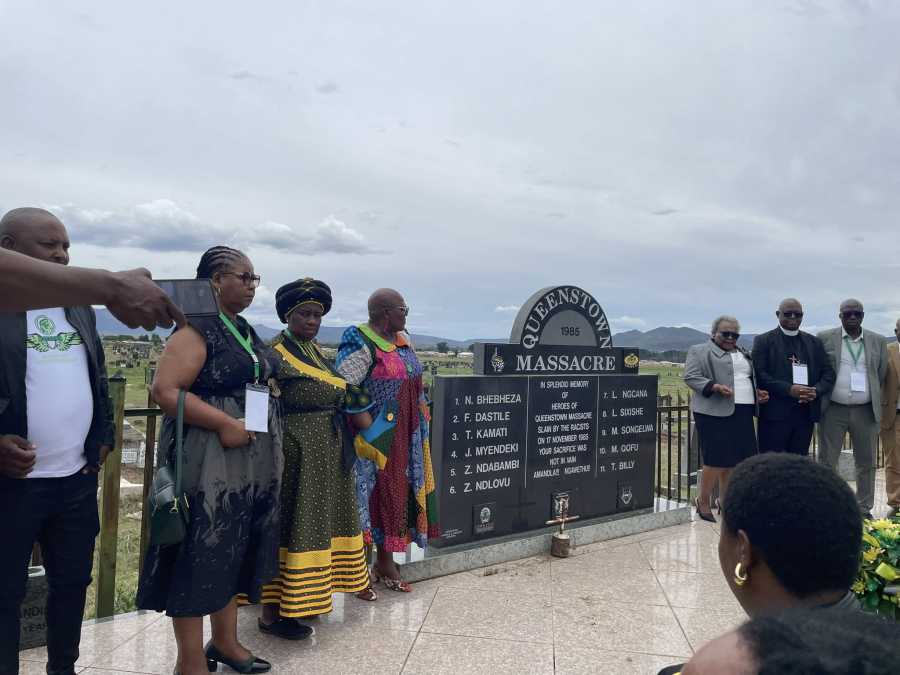
The outreach was organised with the support of the Enoch Mgijima Local Municipality, civil-society partners, and local community structures. The Nonzwakazi Methodist Church served as a significant venue, not only as a community hub but as a site linked to one of the most painful chapters in Komani’s history — the 1985 Queenstown Massacre.
A Programme Rooted in History and Healing
The decision to host the outreach at Nonzwakazi Methodist Church added deep symbolic weight. This is the very same location where, in 1985, peaceful protesters gathered before many were shot and killed in what is remembered as the Queenstown Massacre. That tragedy remains central to the collective memory of Komani and continues to shape conversations around justice, dignity, and community upliftment.
Holding a service-delivery outreach at this site offered an opportunity to merge history with present-day developmental needs — honouring past sacrifices while addressing ongoing social challenges that persist in the region.
ICROP: Bringing Services Directly to Komani Residents
The Department’s Integrated Community Registration Outreach Programme focuses on improving access to essential services, especially for vulnerable groups. These include elderly persons, children, persons living with disabilities, and individuals affected by poverty, neglect, or abuse.
During today’s outreach, various government representatives and partner organisations provided a wide set of practical services, including:
Social Grant Assistance
Officials assisted residents with grant enquiries, updates, assessments, and registration support — particularly crucial for elderly residents who often struggle with travel and documentation.
Social-Welfare Support
Social workers offered on-site guidance to families facing difficult circumstances, including poverty-related pressures and social-behavioural concerns affecting youth and households.
Support for Elderly Persons and Persons With Disabilities
Teams ensured that those with mobility challenges, chronic illnesses, or disability-related needs received appropriate attention and access to the correct support channels.
Child and Victim Support Services
Child protection practitioners and victim support staff engaged families requiring intervention, especially those dealing with abuse, trauma, or unsafe domestic circumstances.
Civil Society and Local NGO Participation
Local organisations working in social development were included to strengthen continuity after the outreach. Their involvement ensures beneficiaries can access ongoing support long after the event ends.
Community Engagement at the Centre
The outreach emphasised meaningful interaction with residents rather than a one-directional delivery of services. Community issues — such as poverty, unemployment, family stress, substance abuse, and the lingering effects of social fragmentation — formed part of the day’s discussions.
Partnerships with local NGOs enabled residents to raise concerns rooted in lived experience, allowing government and civil-society groups to shape future programmes based on direct feedback from Komani communities.
Local Significance and Long-Term Impact
For Komani, today’s programme brought essential services directly to a community that continues to face socio-economic and historical challenges. The symbolic location underscored the long journey from a painful past toward a community seeking dignity, healing, and improved access to opportunity.
While the outreach was a single-day event, its outcomes — including increased registrations, strengthened relationships, and enhanced awareness of available services — are expected to benefit vulnerable families in the area.