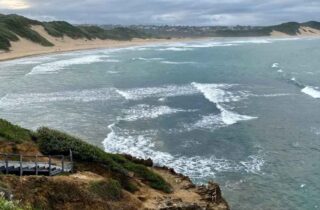
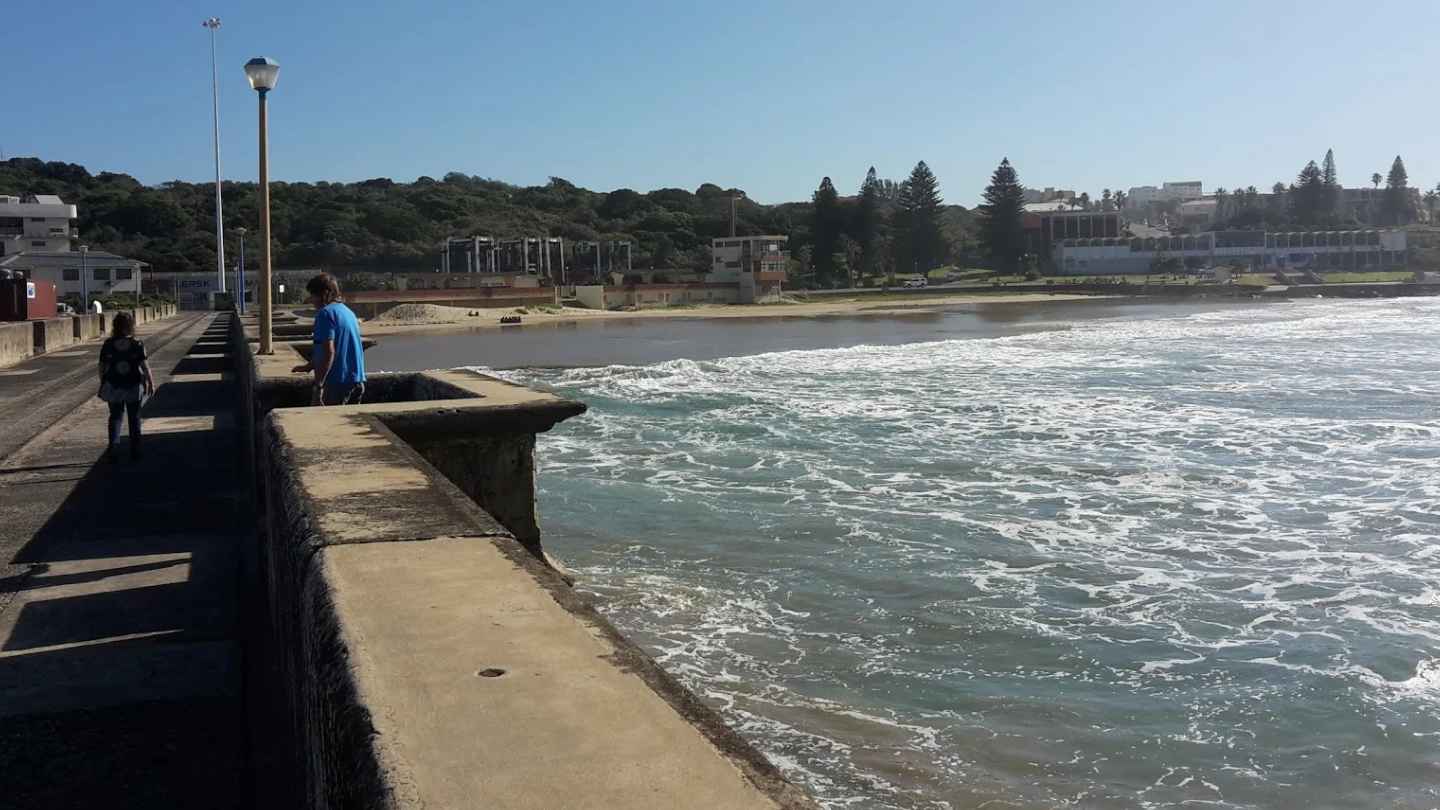
The Eastern Cape has suffered a major economic setback following the loss of the World Surf League (WSL) event in Jeffreys Bay for 2026. The decision to relocate the competition to New Zealand threatens thousands of jobs and undermines the province’s tourism sector.
Economic Impact on Jeffreys Bay and the Eastern Cape
WSL events have historically generated tens of millions of rand in economic activity, benefiting accommodation providers, restaurants, informal traders, transport operators, and seasonal tourism workers. Thousands of visitors traditionally travel to Jeffreys Bay each year, providing vital income to families across Kouga and the wider Eastern Cape.
Losing the event removes a major source of revenue and puts jobs at risk, particularly for small businesses and seasonal workers who rely on the annual influx of visitors.
Funding Gap Leads to Event Relocation
The national Department of Sport, Arts and Culture did not confirm funding for the 2026 event. While Kouga Municipality and local partners continued to sponsor and support the competition, their contributions were insufficient for an event of this scale.
As a result, the WSL relocated the 2026 leg to New Zealand, where government backing had been secured.
DA Criticism of National Leadership
The Democratic Alliance has criticised Minister Gayton McKenzie, blaming the national government for failing to secure funding for the event. Dr Vicky Knoetze said the DA will raise the matter in the Eastern Cape Legislature to demand clarity on the funding process, efforts to retain the WSL, and the steps planned to mitigate economic harm.
“The DA believes this loss represents a serious blow to local businesses, workers, and the provincial economy,” said Knoetze. “We will also push for a coordinated provincial tourism recovery plan to support affected stakeholders and position Jeffreys Bay to reclaim the WSL in 2027.”
Need for Strategic Leadership
Major international sporting events play a critical role in attracting visitors, stimulating local economies, and showcasing the province on the global stage. They require proactive planning and strategic leadership to succeed.
Dr Knoetze stressed that provincial authorities, including the Premier and relevant agencies, should urgently convene stakeholders and adapt economic development plans to support businesses and workers impacted by this loss.
Looking Ahead
The people of the Eastern Cape depend on tourism and events like the WSL to sustain jobs and grow the economy. While the relocation is a setback, proactive measures and coordinated planning could help Jeffreys Bay reclaim the event in future years and safeguard the livelihoods of those affected.
“The DA remains committed to supporting initiatives that build a province grounded in dignity, opportunity, and honest governance,” Knoetze concluded.