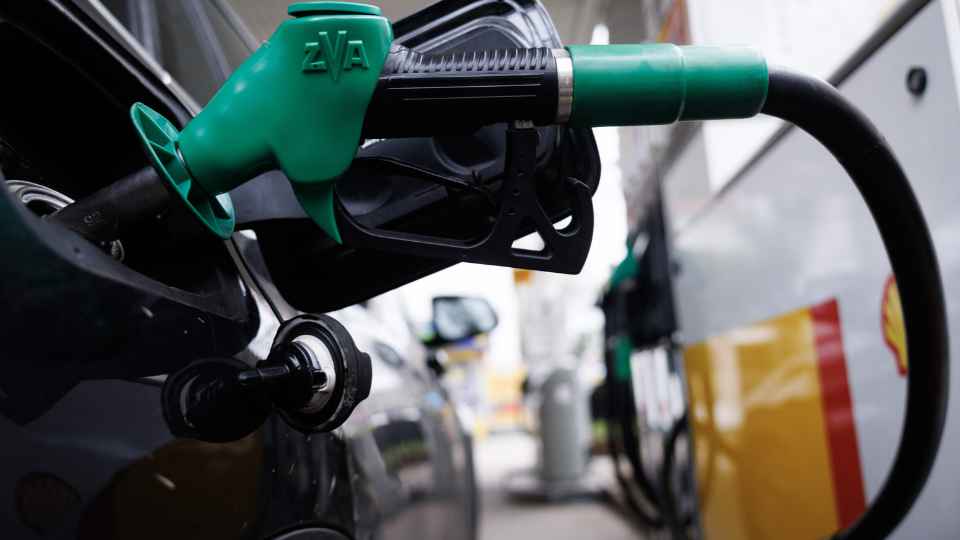
South Africans could soon face a sharp rise in fuel prices, with early indications pointing to significant increases for both petrol and diesel. The expected adjustments come amid global market pressures linked to ongoing conflict in the Middle East.
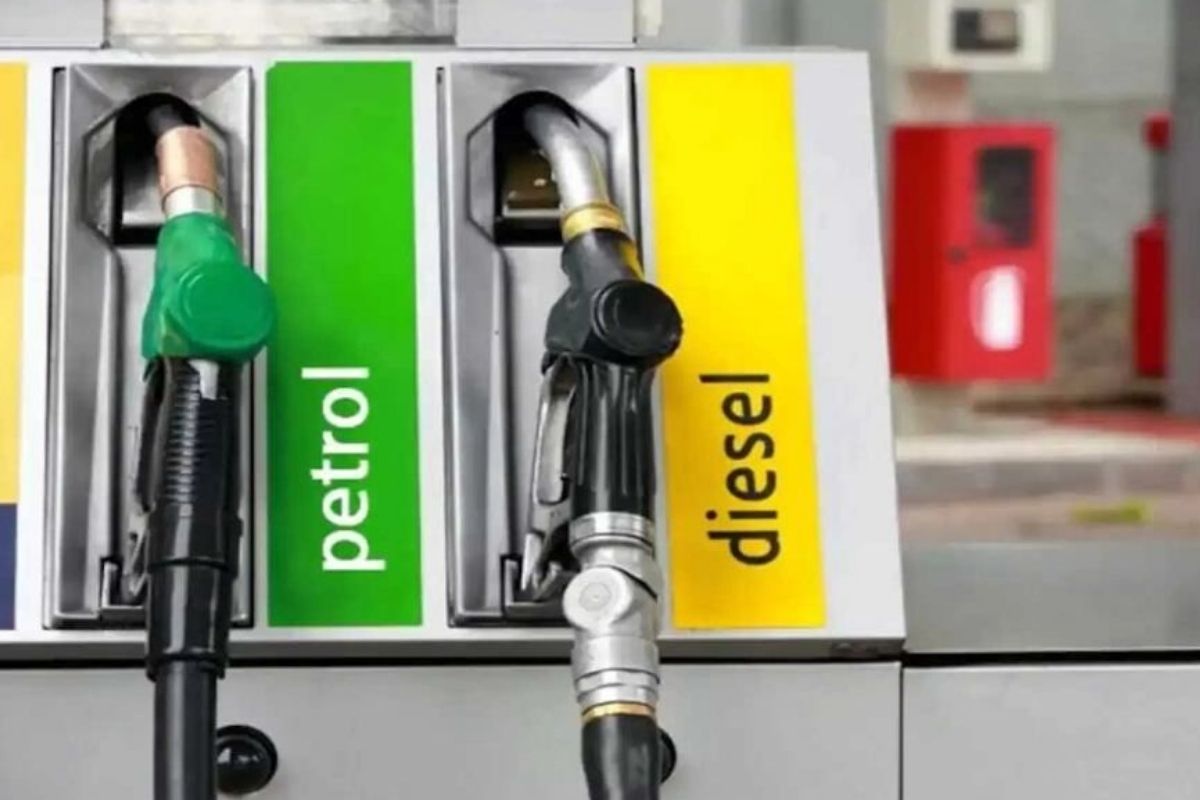
Industry updates suggest that diesel prices could increase by approximately R5.79 per litre, while petrol may rise by around R3.35 per litre. If confirmed, this would mark one of the most substantial fuel price hikes in recent months and could have wide-reaching effects on transport costs, food prices, and the broader cost of living.
Global tensions driving fuel costs
The projected increases are largely attributed to instability in the Middle East, a region that plays a crucial role in global oil production and supply routes. When conflict affects oil-producing regions or shipping routes, it often leads to volatility in global oil prices.
As international oil prices climb, countries that import refined fuel products — including South Africa — typically experience increased fuel costs locally.
Fuel prices in South Africa are adjusted monthly based on several factors, including the international oil price and the rand-to-dollar exchange rate. These elements influence the Basic Fuel Price (BFP), which ultimately determines what motorists pay at the pump.
Possible shortages as motorists stock up
In addition to the expected price increases, there are concerns that temporary petrol and diesel shortages could occur towards the end of the month.
Industry sources warn that some motorists and businesses may begin stocking up on fuel before the price adjustments take effect. This surge in demand could place pressure on supply chains, particularly at busy service stations.
Such situations have occurred in the past when large fuel price increases were anticipated, with drivers rushing to fill tanks ahead of the official adjustment date.
Impact on consumers and businesses
A significant diesel price increase could have the biggest ripple effect across the economy. Diesel is widely used in transport, agriculture, logistics, and mining, meaning higher costs could be passed on to consumers through increased prices for goods and services.
Petrol increases will also directly affect private motorists, many of whom are already struggling with rising living costs.
Economists often warn that sharp fuel price hikes contribute to broader inflationary pressure, especially when transport costs increase.
Awaiting official confirmation
While the figures currently circulating provide an indication of the possible increases, the final fuel price adjustments are usually confirmed closer to the end of the month by the Department of Mineral Resources and Energy.
Until then, motorists are advised to monitor official announcements and plan accordingly as global market conditions continue to influence fuel prices.