
South Africa
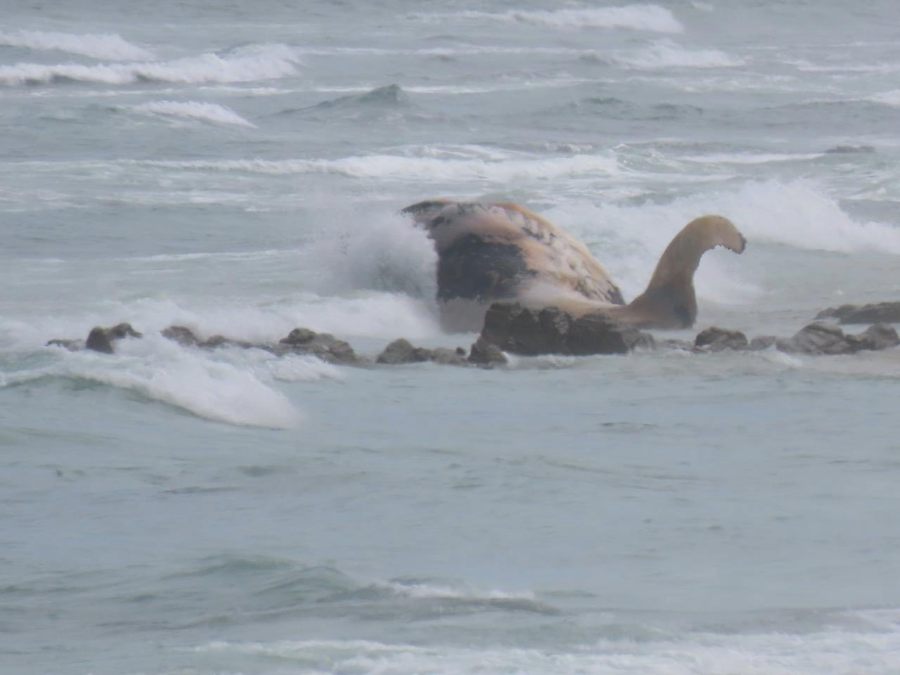
Massive Humpback Whale Washes Up on East London Shore

Buffalo City Issues Urgent Warning Amid Spate of Strandings Near Cocabana
East London, South Africa — A troubling environmental incident unfolded today as a large, deceased Humpback whale washed ashore on East London’s Western Seafront, close to the popular Cocabana area. The Buffalo City Metropolitan Municipality (BCMM) has mobilized staff and issued a severe public warning, urging residents and beachgoers to stay away from the carcass due to significant health and biohazard risks.
A Week of Observation Ends Tragically
The majestic marine mammal’s appearance on the beach was not entirely unexpected by officials. The BCMM confirmed that the whale had been under observation for almost a week after it was repeatedly sighted swimming unusually close to the shore, showing signs of distress or disorientation.
“This is the outcome we feared after observing its movements last week,” stated a source close to the investigation. “We had hoped it would correct its course and head back out to deeper waters, but unfortunately, it became stranded.”
Staff from the local Beach Office, the East London Aquarium, and the Amathole Museum are coordinating efforts on the scene, establishing a perimeter and monitoring the area.
Health Risks and Environmental Concerns
The most immediate concern is public safety. As the massive carcass begins to decompose, it presents a serious biohazard risk.
“We cannot stress this enough: members of the public must avoid approaching or touching the whale,” a municipal spokesperson advised. “There are significant health and safety risks, including the potential for bacterial contamination and the danger associated with large, unstable remains on the shoreline. This is not a photo opportunity.”
The incident comes amid a worrying trend for marine conservationists in the area. East London has experienced a series of whale strandings in recent weeks, raising questions about the health of the local marine ecosystem and potential human impacts.
Investigation to Determine Cause of Death
The focus now shifts to a detailed forensic examination. Authorities are expected to coordinate with marine veterinarians and specialists to conduct a necropsy to determine the cause of death. This process is crucial, as the results could indicate natural causes, disease, or external factors such as entanglement or pollution.
The sheer size of the Humpback whale presents a logistical challenge for the municipality. Once the examination is complete, BCMM will have to implement a plan for the safe and effective disposal or removal of the carcass, a procedure that often requires specialized heavy machinery and careful planning to minimize further environmental disruption.
The municipality assures the public that they are taking all necessary steps and will update the community once the investigation provides clear answers regarding this tragic event.
