
Opinion
Should Social Media Be Banned for Kids Under 16 in South Africa?

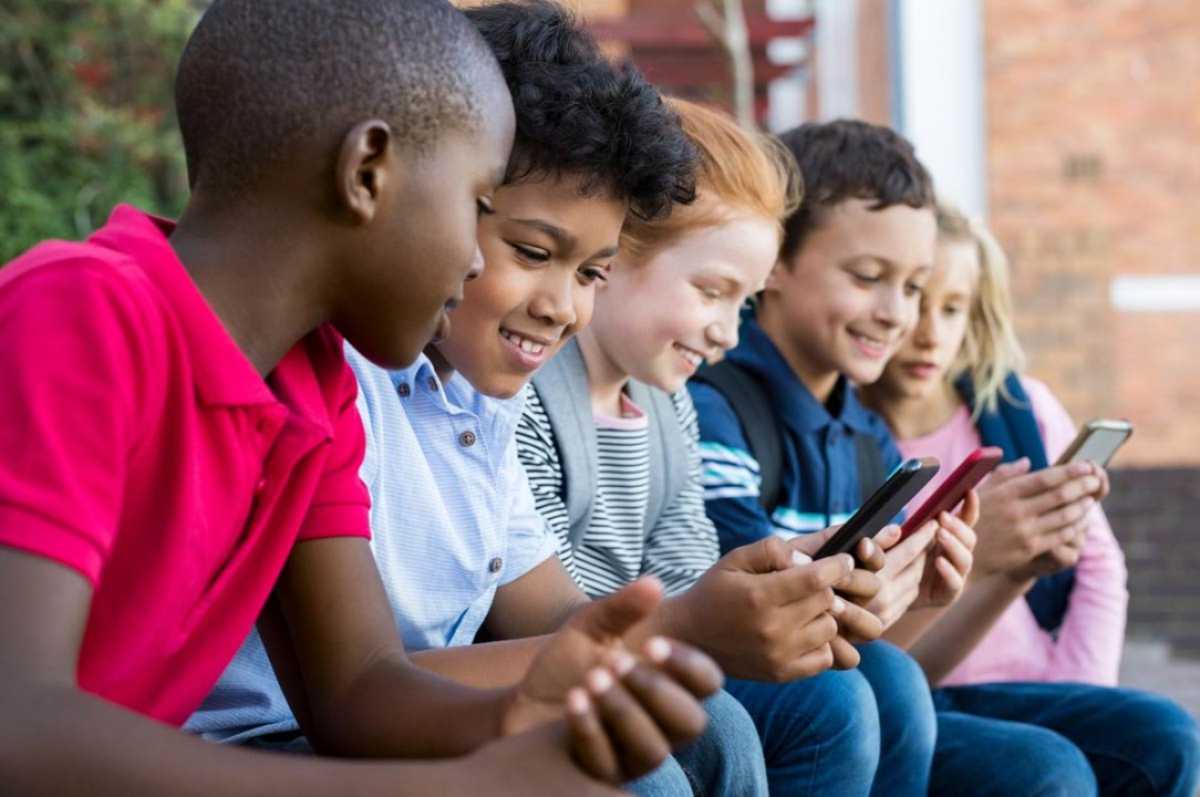
Social media has become a defining feature of modern childhood, but in South Africa, a heated debate is emerging: should kids under 16 be banned from using platforms like TikTok, Instagram, and Facebook?
From classrooms to family homes, children are increasingly connected online. While social media offers opportunities for creativity, learning, and social interaction, experts warn that exposure at a young age can come with serious risks.
The Rise of Social Media Among South African Children
According to recent research, over 70% of South African children aged 10 to 15 are active on at least one social media platform. Many start using smartphones and tablets from as young as eight, often with minimal supervision.
In Komani and surrounding areas, parents report that even primary school learners are navigating apps designed for teenagers and adults. “My 11-year-old has a TikTok account, and I’m constantly worried about the kind of content he sees,” says Thandiwe M., a parent from Ezibeleni.
Risks and Concerns
Child psychologists and digital safety experts point to multiple risks associated with early social media use:
-
Cyberbullying: Social media can expose children to harmful interactions, harassment, or peer pressure that affects self-esteem and mental health.
-
Inappropriate Content: Many platforms host material unsuitable for young minds, including violent or sexual content.
-
Addiction and Screen Time: Excessive use can interfere with sleep, schoolwork, and physical activity.
-
Online Predators: Children under 16 are especially vulnerable to grooming and online scams.
Dr. Lerato Mkhize, a child psychologist based in East London, explains: “The adolescent brain is still developing. Social media can be a tool for connection, but it can also exacerbate anxiety, depression, and social comparison if children are not guided properly.”
Benefits of Social Media
Despite the risks, many parents and educators recognise the benefits of social media when used responsibly:
-
Learning Opportunities: Platforms like YouTube and TikTok can provide educational content and tutorials.
-
Creativity and Expression: Children can explore art, music, and storytelling in ways that were impossible a decade ago.
-
Social Connection: Especially during school breaks or lockdowns, social media helps kids stay in touch with friends and peers.
Sipho N., a Grade 10 learner in Komani, says: “Social media helps me stay connected with my friends, and I also follow pages that teach me coding and sports tips. It’s not all bad.”
What Are Experts Saying?
The question of whether social media should be banned for children under 16 divides experts. Some call for stricter age verification and usage limits. Others argue that outright bans are unrealistic and that digital literacy and parental guidance are more effective solutions.
“Banning social media doesn’t stop children from finding ways online,” says Dr. Mkhize. “What we need is education: teaching children about online safety, responsible use, and critical thinking.”
Measures Already in Place
Globally, tech companies have introduced age verification systems and parental controls. Facebook, Instagram, TikTok, and YouTube have policies restricting under-13 users, but enforcement is often weak.
In South Africa, the Film and Publication Board regulates harmful online content but does not restrict general social media use by age. Some schools have introduced digital literacy lessons, but experts agree more needs to be done.
The Community Debate in Komani
Locally, the conversation is gaining momentum. Parents in Komani express concerns over their children’s exposure to social media too early, while teenagers argue for their right to connect with friends and access information.
“Children are spending hours online every day,” says a mother from Komani Central. “I worry about what they are seeing and who they are talking to. There needs to be a rule.”
Others disagree: “We can’t control everything,” says a 15-year-old learner. “Social media is part of life now. Banning it would just push kids to find other ways online.”
What’s Next?
The debate raises a larger question about the balance between protection and freedom. Should South Africa follow other countries in raising the minimum age for social media use? Or is digital education the key to safer online experiences?
For now, parents, educators, and policymakers must work together to ensure children benefit from social media while minimising risks.
